
Canker Sores: Causes, Treatment & How to Heal Them Faster
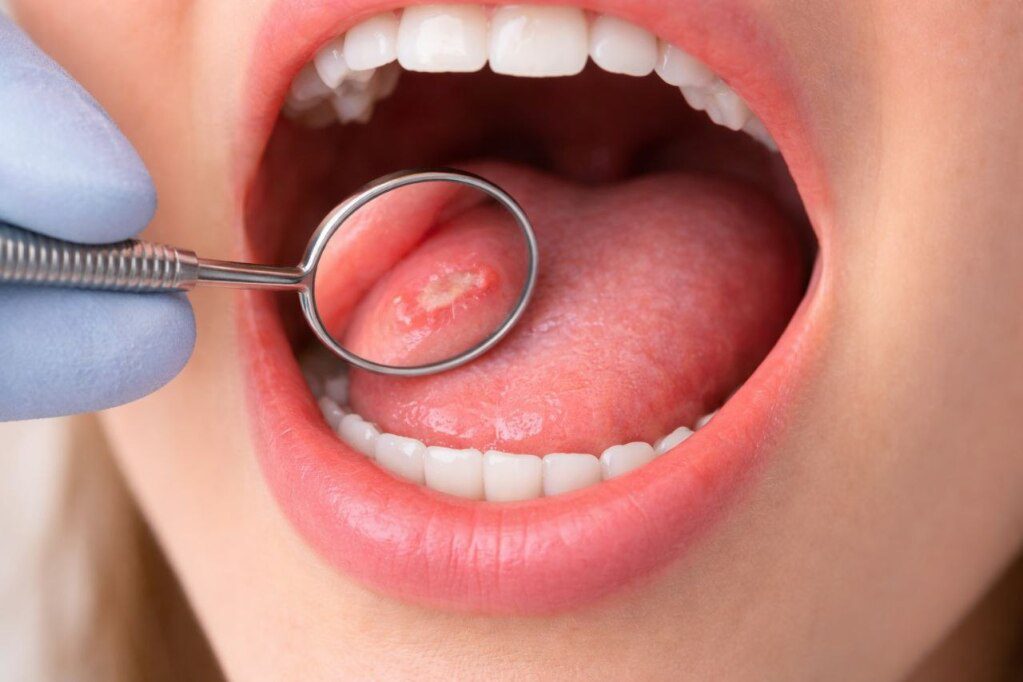
Canker sores are small, painful ulcers that develop inside the mouth.
They are extremely common and can affect people of all ages, often causing discomfort while eating, drinking, or speaking.
- The good news: they are usually harmless and heal on their own.
- The bad news: they can be very annoying and sometimes recurrent.
What Are Canker Sores?
Canker sores, also known as aphthous ulcers, are shallow lesions that appear on the soft tissues inside the mouth.
They typically develop on:
- The inner cheeks
- Lips
- Tongue
- Floor of the mouth
Unlike cold sores, they are not caused by viruses and are not contagious.
Types of Canker Sores
Not all canker sores are the same.
🔸Minor Canker Sores
The most common type.
- Small and round
- Heal within 1–2 weeks
- Do not leave scars
🔸Major Canker Sores
Less common but more severe.
- Larger and deeper
- Can take weeks to heal
- May leave scars
🔸Herpetiform Canker Sores
Rare but distinctive.
- Appear as clusters of small ulcers
- Can merge into larger lesions
- Not related to herpes despite the name
What Causes Canker Sores?
The exact cause is not always clear, but several factors are strongly associated.
🔸Minor Oral Trauma
Small injuries can trigger ulcers, such as:
- Biting the cheek
- Aggressive brushing
- Dental appliances
🔸Stress and Hormonal Changes
Emotional stress and hormonal fluctuations can increase the likelihood of outbreaks.
🔸Nutritional Deficiencies
Deficiencies in certain nutrients may play a role, including:
- Vitamin B12
- Iron
- Folate
🔸Food Sensitivities
Some people develop canker sores after consuming:
- Acidic foods (citrus, tomatoes)
- Spicy foods
- Certain additives
🔸Immune System Response
Canker sores may result from an abnormal immune reaction targeting oral tissues.
🔸Underlying Medical Conditions
Recurrent or severe canker sores may be linked to:
- Gastrointestinal diseases
- Autoimmune conditions
- Hormonal imbalances
👉 Persistent cases should be evaluated professionally.
Symptoms of Canker Sores
Canker sores are usually easy to recognize.
🔸Common Symptoms
- Small round or oval ulcers
- White or yellow center
- Red border
- Pain or burning sensation
🔸Early Signs
Some people experience:
- Tingling
- Burning
- Localized discomfort
Before the sore becomes visible.
How to Treat Canker Sores
There is no instant cure, but treatment focuses on reducing pain and speeding healing.
🔹Topical Treatments
Over-the-counter options include:
- Protective pastes
- Antimicrobial mouthwashes
- Topical anesthetics
These help reduce discomfort and irritation.
🔹Pain Relief
- Avoid spicy or acidic foods
- Use cold foods (like yogurt or ice)
- Maintain gentle oral hygiene
🔹Prescription Treatments
For severe cases, a dentist or doctor may recommend:
- Corticosteroid gels
- Medicated mouth rinses
How to Heal Canker Sores Faster
You can support healing with simple strategies:
- Keep the area clean
- Avoid irritating foods
- Use saltwater rinses
- Maintain good nutrition
👉 Most canker sores heal within 7–14 days.
When to See a Dentist or Doctor
Seek professional care if:
- Sores last longer than 2 weeks
- Pain is severe
- Sores are unusually large
- Outbreaks are frequent
👉 These may indicate an underlying condition.
How to Prevent Canker Sores
While not always preventable, you can reduce the risk:
- Avoid trigger foods
- Use a soft-bristle toothbrush
- Manage stress
- Maintain a balanced diet
- Address nutritional deficiencies
Consistency is key.
Canker Sores vs Cold Sores
This is a common confusion.
Feature | Cold Sores | Canker Sores |
Cause | Virus (HSV-1) | Non-viral |
Location | Outside mouth | Inside mouth |
Contagious | Yes | No |
Appearance | Blisters | Ulcers |
👉 They are completely different conditions.
Are Canker Sores Dangerous?
In most cases, no. They are benign and self-limiting.
However, recurrent or severe cases may signal:
- Nutritional deficiencies
- Immune-related issues
Conclusion
Canker sores are a common but manageable oral condition.
Key takeaways:
- They are not contagious
- They usually heal on their own
- Treatment focuses on symptom relief
👉 Understanding triggers and maintaining good oral health can significantly reduce their occurrence.
Frequently Asked Questions
What causes canker sores the most?
Minor trauma, stress, and nutritional deficiencies are common triggers.
How long can canker sores last?
Most heal within 1 to 2 weeks.
Are canker sores contagious?
No, they are not contagious.
What is the fastest way to heal a canker sore?
Avoid irritation, maintain hygiene, and use topical treatments.
When should I worry about canker sores?
If they are large, persistent, or frequently recurring.
References
Akintoye, S. O., & Greenberg, M. S. (2014). Recurrent aphthous stomatitis. Dental Clinics of North America, 58(2), 281–297.
Edgar, N. R., Saleh, D., & Miller, R. A. (2017). Recurrent aphthous stomatitis: A review. Journal of Clinical and Aesthetic Dermatology, 10(3), 26–36.
Porter, S. R., & Scully, C. (2000). Aphthous ulcers (recurrent). Clinical Evidence, 4, 141–148.