
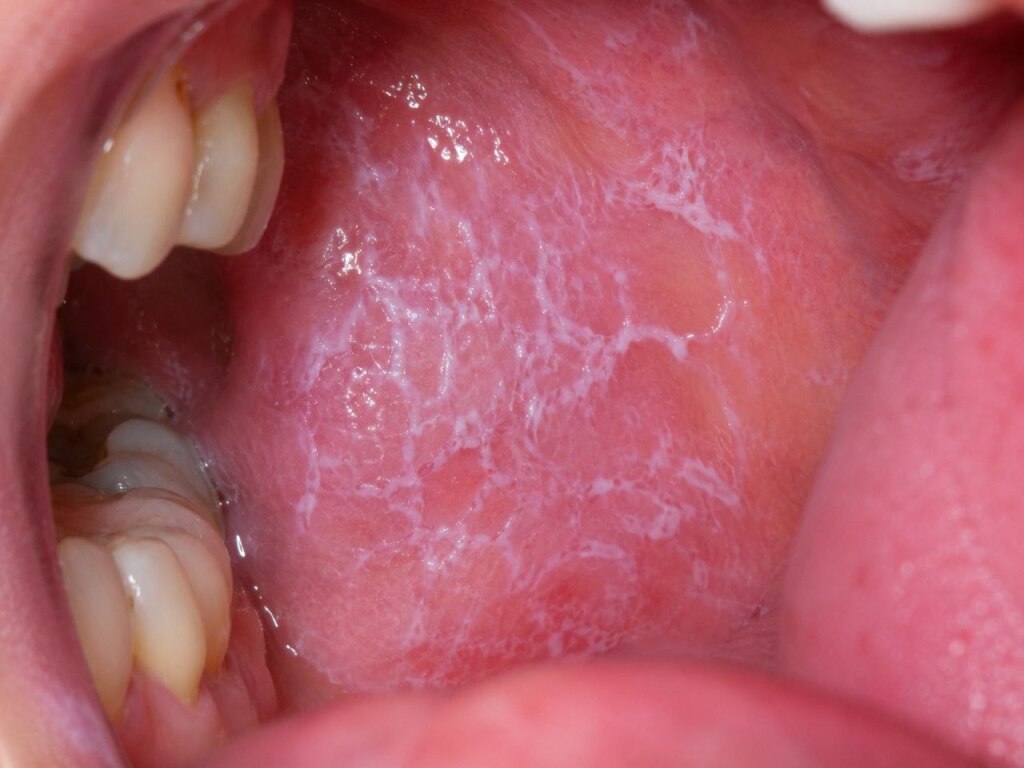
Oral Lichen Planus: Symptoms, Causes, and Treatment Options
Oral lichen planus (OLP) is a chronic inflammatory condition that affects the soft tissues inside the mouth.
It may appear as white lacy patches, red inflamed tissue, or painful sores that can make eating and speaking uncomfortable.
Although it is not contagious, oral lichen planus can be persistent and sometimes requires long-term monitoring.
Because some cases resemble other oral lesions, proper diagnosis is important.
This article explains what oral lichen planus is, possible causes, symptoms, treatment options, and when to seek professional care.
What Is Oral Lichen Planus?
Oral lichen planus is an immune-mediated disorder in which the body’s immune system triggers chronic inflammation in the oral mucosa.
It commonly affects:
- The inside of the cheeks (buccal mucosa)
- Tongue
- Gums
- Lips
- Sometimes the palate
It may appear in different forms, including:
🔸 Reticular Oral Lichen Planus: Often shows white, lace-like lines called Wickham striae.
🔸 Erosive Oral Lichen Planus: May cause painful ulcerated or red lesions.
🔸 Atrophic Oral Lichen Planus: Can cause thinning and redness of oral tissues.
Some people have mild symptoms, while others experience chronic discomfort.
Symptoms of Oral Lichen Planus
Symptoms can vary depending on the form of the condition.
Common symptoms may include:
- White lacy patches in the mouth
- Red or inflamed tissue
- Burning sensations
- Mouth soreness
- Painful ulcers
- Gum tenderness
- Sensitivity to spicy, acidic, or rough foods
Some people have lesions discovered during routine dental exams without symptoms.
What Causes Oral Lichen Planus?
The exact cause is still not fully understood. Researchers believe several factors may contribute.
🔸 Immune System Dysfunction: Abnormal T-cell activity appears to play a central role.
🔸 Stress: Stress may worsen symptoms or contribute to flare-ups in some individuals.
🔸 Certain Medications: Some medications may trigger oral lichenoid reactions that resemble oral lichen planus.
🔸 Dental Materials: Some lesions may be associated with reactions to restorative materials in certain cases.
🔸 Hepatitis C Association: Some studies have found associations between hepatitis C infection and oral lichen planus in some populations.
How Is Oral Lichen Planus Diagnosed?
Diagnosis often includes:
- Clinical oral examination
- Review of symptoms and medical history
- Biopsy for confirmation
- Sometimes, additional tests to rule out similar lesions
This is important because some oral conditions may resemble oral lichen planus.
How Is Oral Lichen Planus Treated?
There is no universal cure, but treatment often focuses on symptom control and reducing inflammation.
Common treatment approaches include:
- Topical Corticosteroids: Often used to reduce inflammation.
- Immune-Modulating Medications: May be considered in severe or persistent cases.
- Pain-Relieving Oral Rinses: Sometimes used to manage discomfort.
- Trigger Management: Addressing irritants may help reduce flare-ups.
Treatment depends on severity and symptoms.
Self-Care Tips
Supportive care may help reduce irritation.
Consider:
- Avoiding spicy or acidic foods
- Avoiding tobacco
- Limiting alcohol-containing mouth rinses
- Maintaining gentle oral hygiene
- Using a soft toothbrush
- Scheduling regular dental monitoring visits
These measures may help reduce symptom aggravation.
Can Oral Lichen Planus Turn Into Cancer?
Most cases do not become oral cancer.
However, some forms, particularly erosive oral lichen planus, may carry a small but clinically important risk of malignant transformation.
This is why long-term follow-up and monitoring are often recommended.
Oral Lichen Planus vs Leukoplakia
These conditions can sometimes appear similar, but they are not the same. Oral lichen planus often presents with lacy white patterns and inflammatory changes.
Leukoplakia generally refers to white patches that cannot be rubbed off and may require evaluation because the causes vary. A biopsy may sometimes be needed to distinguish them.
When Should You See a Dentist or Specialist?
You should seek evaluation if you notice:
- Persistent white patches in the mouth
- Red or ulcerated lesions
- Burning or pain
- Gum inflammation
- Lesions that change appearance
- Mouth sores that do not heal
Early diagnosis helps guide proper management.
Conclusion
Oral lichen planus is a chronic inflammatory condition affecting the tissues inside the mouth. It may cause white patches, redness, irritation, or painful sores.
Although the exact cause is not fully understood, treatment often focuses on controlling symptoms and monitoring lesions over time.
If you notice persistent changes in your mouth, a dental professional can help determine whether oral lichen planus or another oral disease may be involved.
FAQ About Oral Lichen Planus
Is Oral Lichen Planus Autoimmune?
It is commonly considered an immune-mediated disorder and is often discussed alongside autoimmune conditions. However, researchers continue to study its exact classification.
Is Oral Lichen Planus Contagious?
No. It is not contagious and cannot be spread through saliva, kissing, or shared utensils.
Can Oral Lichen Planus Go Away on Its Own?
Some cases may go through periods of remission. Others may persist for years with flare-ups and quiet periods. Its course can vary from person to person.
References
American Academy of Oral Medicine. (n.d.). Oral lichen planus. American Academy of Oral Medicine. https://www.aaom.com/oral-lichen-planus
National Institute of Dental and Craniofacial Research. (n.d.). Oral lichen planus. U.S. Department of Health and Human Services. https://www.ncbi.nlm.nih.gov/books/NBK578201/
Eisen, D., Carrozzo, M., Bagan Sebastian, J. V., & Thongprasom, K. (2005). Number V oral lichen planus: Clinical features and management. Oral Diseases, 11(6), 338–349. https://pubmed.ncbi.nlm.nih.gov/16269024/