
Brushing Technique: How to Brush Your Teeth Properly for Better Oral Health
Your brushing technique matters more than you think.
Most people brush their teeth every day, but do it incorrectly, which reduces cleaning effectiveness and can even damage teeth and gums over time.
A proper brushing technique helps:
- Remove plaque effectively
- Prevent cavities and gum disease
- Protect enamel and gums
It’s not about brushing harder; it’s about brushing smarter.
What Is the Correct Brushing Technique?
The correct brushing technique focuses on gentle, controlled movements that clean both the teeth and the gumline.
Dentists commonly recommend a modified version of the Bass technique, which targets dental plaque where it accumulates the most.
Step-by-Step Brushing Technique
Follow this method for effective daily cleaning:
- Position the Toothbrush Correctly
Hold your toothbrush at a 45-degree angle toward the gumline.
This allows the bristles to clean both:
- The tooth surface
- The area just under the gums
- Use Gentle, Small Movements
Move the brush in short, circular, or vibrating motions. Avoid aggressive back-and-forth scrubbing.
👉 Brushing harder does NOT clean better; it increases damage.
- Clean All Tooth Surfaces
Make sure to brush:
- Outer surfaces
- Inner surfaces
- Chewing surfaces
For front teeth, tilt the brush vertically and use up-and-down strokes.
- Brush for at Least Two Minutes
Divide your mouth into sections and spend time evenly. Most electric toothbrushes include timers to help maintain the correct duration.
- Don’t Forget the Gumline and Tongue
Plaque accumulates along the gumline and on the tongue.
- Gently brush along the gums
- Clean your tongue to reduce bacteria and bad breath
Manual vs Electric Toothbrush Technique
Both can be effective, but the techniques differ slightly.
🔹Manual Toothbrush
Requires:
- Controlled hand movements
- Proper angle and pressure
The user is responsible for all motion.
🔹Electric Toothbrush
Performs most of the movement automatically.
You should:
- Guide the brush slowly from tooth to tooth
- Avoid scrubbing
- Let the brush do the work
Studies show electric toothbrushes can improve plaque removal when used correctly.
Common Brushing Mistakes
Even people who brush daily often make these errors:
🔶Brushing Too Hard
This can cause:
- Enamel wear
- Gum recession
🔶Brushing Too Fast
Rushing reduces cleaning effectiveness. Two minutes is the minimum recommended time.
🔶Skipping the Gumline
Plaque buildup near the gums leads to gingivitis.
🔶Using the Wrong Toothbrush
Hard bristles can damage enamel and gums. Soft-bristled brushes are recommended in most cases.
🔶Not Replacing the Toothbrush
Worn bristles clean less effectively. Replace your toothbrush every 3 months or sooner if needed.
How Often Should You Brush Your Teeth?
The standard recommendation is:
- Twice a day
- After meals, when possible
Brushing before bedtime is especially important to remove plaque accumulated during the day.
Additional Tips for Better Brushing Technique
To improve your results:
- Use fluoride toothpaste
- Floss daily (brushing alone is not enough)
- Use mouthwash when recommended
- Maintain regular dental check-ups
Brushing is just one part of a complete oral hygiene routine.
Why Proper Brushing Technique Matters
Poor brushing technique leads to:
- Plaque accumulation
- Cavities
- Gum disease
Good technique, on the other hand:
- Improves oral health
- Reduces dental costs long-term
- Helps maintain a healthy smile
Consistency + technique = results.
When to Ask a Dentist for Help
Consider professional guidance if:
- You experience bleeding gums
- You have persistent bad breath
- You are unsure about your technique
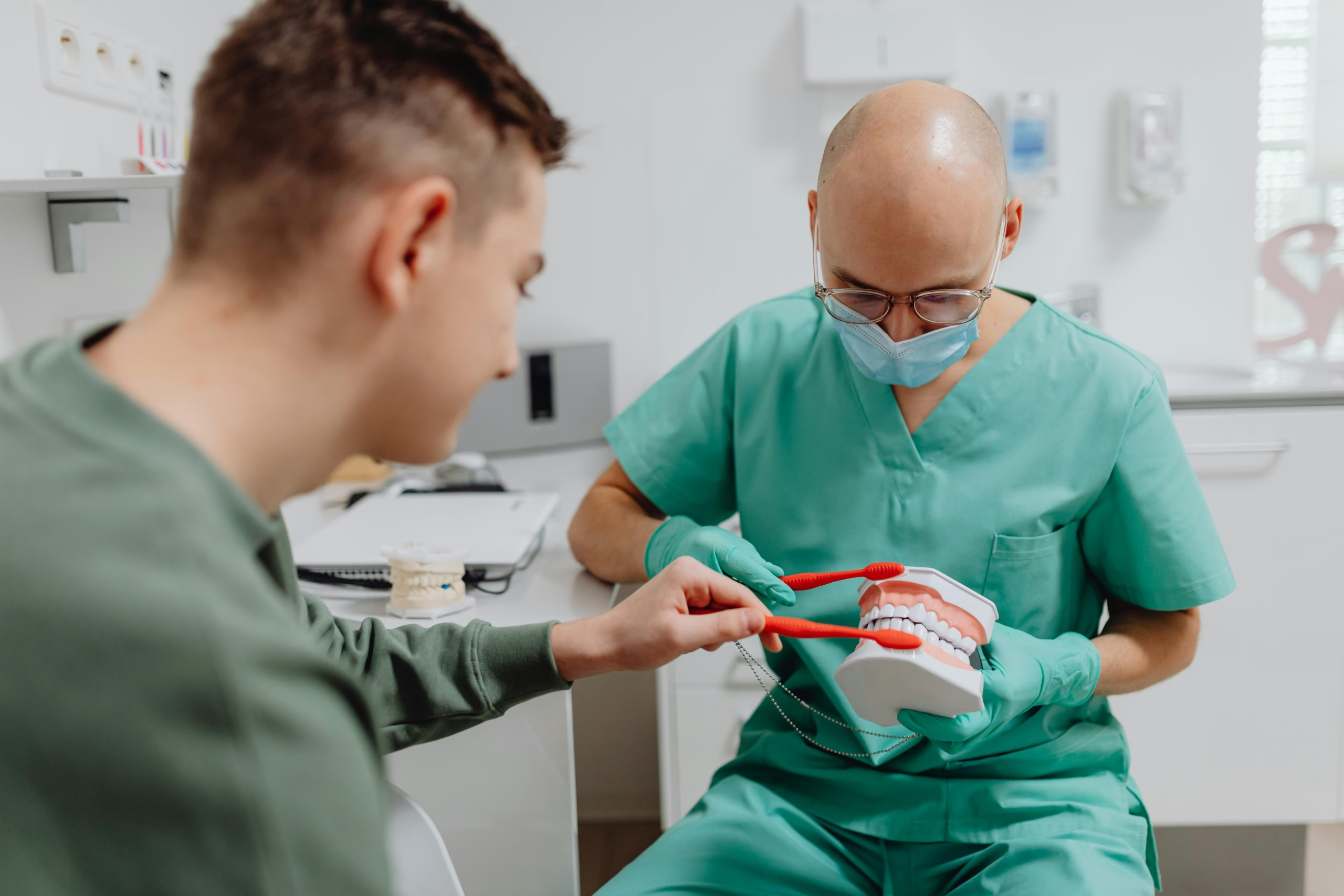
Dentists can demonstrate the correct brushing technique based on your needs.
Conclusion
Mastering the right brushing technique is one of the simplest and most effective ways to improve oral health.
Key takeaways:
- Use gentle, controlled movements
- Focus on the gumline
- Brush for at least two minutes
- Avoid common mistakes
With the right technique, daily brushing becomes a powerful preventive tool.
Frequently Asked Questions
What is the best brushing technique?
The modified Bass technique is widely recommended for effective plaque removal.
Is it better to use a manual or an electric toothbrush?
Both are effective, but electric toothbrushes may improve consistency and plaque removal.
Can brushing too hard damage teeth?
Yes. It can wear down enamel and cause gum recession.
How long should I brush my teeth?
At least two minutes, twice a day.
Should I brush after every meal?
It can be beneficial, but wait about 30 minutes after acidic foods.
References
American Dental Association. (2020). Brushing your teeth.
Jepsen, S., Blanco, J., Buchalla, W., et al. (2020). Prevention and control of dental caries and periodontal diseases. Journal of Clinical Periodontology, 47(S22), 1–6.
Poyato-Ferrera, M., Segura-Egea, J. J., & Bullón-Fernández, P. (2003). Comparison of modified Bass technique with normal toothbrushing practices. Journal of Periodontology, 74(12), 1748–1755.