
Oral Diseases: Types, Causes, Symptoms, and Prevention
Oral diseases are among the most common health conditions worldwide.
These diseases affect the teeth, gums, tongue, and other tissues inside the mouth, and they can significantly impact overall health and quality of life.
Many oral diseases develop gradually and may not cause noticeable symptoms at first.
However, if left untreated, they can lead to pain, infection, tooth loss, and complications that may affect other parts of the body.
Understanding the causes and early signs of oral diseases is essential for prevention and timely treatment.
What Are Oral Diseases?
Oral diseases are conditions that affect the teeth, gums, oral mucosa, and supporting structures of the mouth.
These disorders may result from bacterial infections, poor oral hygiene, dietary habits, lifestyle factors, or underlying medical conditions.
Some oral diseases specifically affect the teeth and are often referred to as dental diseases, while others involve the gums, tongue, or soft tissues of the mouth.
Examples of structures that may be affected include:
- Teeth, which can develop cavities or structural damage
- Gums, which may become inflamed or infected
- Oral mucosa, the soft tissue lining the mouth
- Jawbones and supporting tissues
The study of diseases affecting the oral tissues is known in dentistry as oral pathology.
Common Types of Oral Diseases
Several conditions are considered oral diseases because they affect the health of the mouth and may require professional dental treatment.
🔶Tooth Decay (Dental Caries)
Tooth decay is one of the most common oral and dental diseases. It occurs when bacteria in dental plaque produce acids that gradually damage tooth enamel.
If untreated, cavities can progress deeper into the tooth and cause pain, infection, or tooth loss.
🔶Gum Disease
Gum disease affects the tissues that support the teeth and is one of the leading causes of tooth loss in adults.
It typically develops in two stages:
- Gingivitis, characterized by gum inflammation and bleeding
- Periodontitis, a more advanced infection that can damage bone and supporting tissues
🔶Tooth Infections
Bacterial infections can occur when bacteria reach the inner part of the tooth, known as the pulp.
Examples include:
- Tooth abscess
- Pulpitis
- Periapical infections
These conditions often cause severe pain and usually require prompt dental treatment.
🔶Diseases of the Oral Mucosa
Some oral diseases affect the soft tissues inside the mouth.
Examples include:
- Oral candidiasis
- Leukoplakia
- Oral lichen planus
- Stomatitis
- Geographic tongue
These conditions may cause irritation, discoloration, or visible lesions in the mouth.
🔶Oral Cancer
Oral cancer is a serious disease that can affect the lips, tongue, cheeks, floor of the mouth, or throat.
Early diagnosis greatly improves treatment outcomes, which is why routine dental examinations are important for early detection.
What Causes Oral Diseases?
Oral diseases often develop due to a combination of bacterial activity, lifestyle habits, and systemic health factors.
Common causes include:
- Poor oral hygiene
- Accumulation of dental plaque
- Frequent consumption of sugary foods and drinks
- Tobacco use
- Excessive alcohol consumption
- Dry mouth (reduced saliva production)
- Certain medications
- Systemic conditions such as diabetes
When dental plaque accumulates on the teeth and gums, bacteria produce acids and toxins that damage oral tissues.
Symptoms of Oral Diseases
Symptoms vary depending on the specific condition, but several warning signs are common among many oral diseases.
Possible symptoms include:
- Tooth pain
- Bleeding gums
- Swollen or red gums
- Persistent bad breath
- Tooth sensitivity
- Mouth sores or lesions
- Loose teeth
- White or red patches inside the mouth
If any of these symptoms persist, a dental examination is recommended.
How Dentists Diagnose Oral Diseases
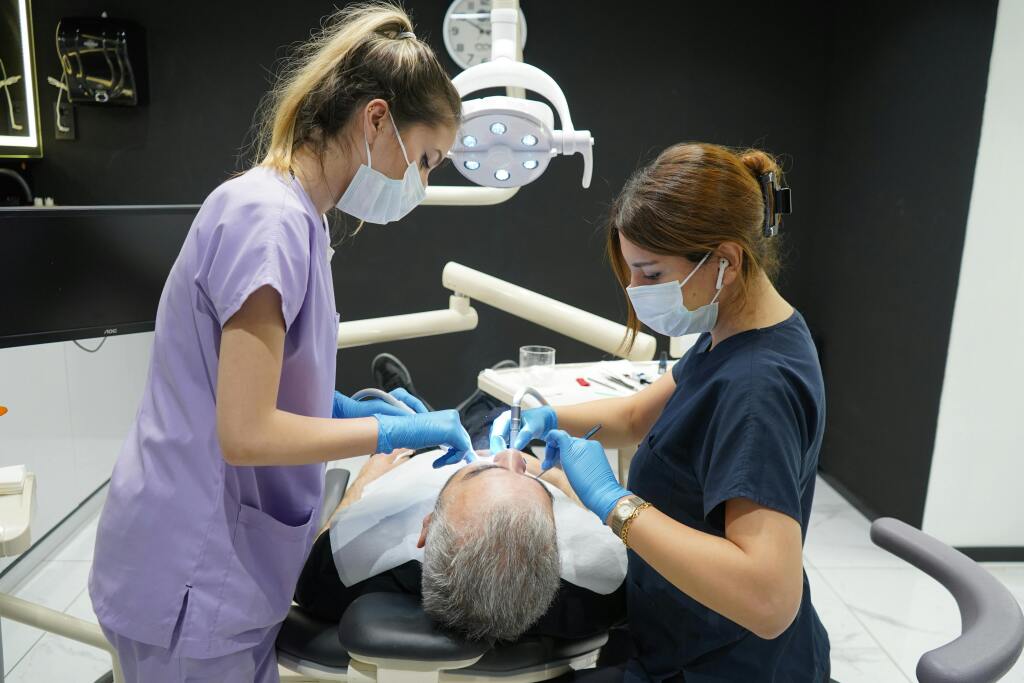
Dentists diagnose oral diseases through a comprehensive examination of the mouth and supporting structures.
During a dental visit, the dentist may perform:
- A visual examination of the teeth and gums
- Dental X-rays to detect hidden problems
- Periodontal probing to evaluate gum health
- Screening for oral lesions or early signs of cancer
These diagnostic methods allow dentists to detect oral diseases at an early stage and determine the most appropriate treatment.
Treatment of Oral Diseases
Treatment depends on the specific disease and its severity.
Common dental treatments used to manage oral diseases include:
- Professional dental cleaning
- Dental fillings
- Root canal therapy
- Periodontal treatments for gum disease
- Oral surgery
- Medications to control infection
Early treatment often prevents complications and helps preserve natural teeth.
How to Prevent Oral Diseases
Many oral diseases can be prevented through good oral hygiene and healthy lifestyle habits.
Important preventive measures include:
- Brushing teeth twice daily with fluoride toothpaste
- Cleaning between teeth using dental floss or interdental brushes
- Limiting sugary foods and beverages
- Avoiding tobacco products
- Drinking plenty of water
- Visiting the dentist regularly for check-ups and cleanings
Preventive care is one of the most effective ways to maintain long-term oral health.
Conclusion
Oral diseases affect millions of people worldwide and can significantly impact both oral health and overall well-being.
Many of these conditions develop slowly but may lead to serious complications if left untreated.
Fortunately, most oral diseases can be prevented with proper oral hygiene, healthy lifestyle habits, and regular dental care.
By recognizing early symptoms and maintaining good oral health practices, individuals can protect their teeth, gums, and overall health.
Frequently Asked Questions
What are oral diseases?
Oral diseases are health conditions that affect the teeth, gums, tongue, and other tissues inside the mouth. These diseases may include tooth decay, gum disease, infections, and oral cancer.
What is the difference between oral diseases and dental diseases?
Oral diseases refer to all conditions affecting the mouth, including the gums and soft tissues. Dental diseases specifically affect the teeth.
What are the most common oral diseases?
Common oral diseases include tooth decay, gum disease, oral infections, and conditions affecting the oral mucosa such as leukoplakia or candidiasis.
Are oral diseases preventable?
Many oral diseases can be prevented through good oral hygiene, a healthy diet, avoiding tobacco, and regular dental check-ups.
When should I see a dentist for oral symptoms?
You should see a dentist if you experience persistent tooth pain, bleeding gums, mouth sores, swelling, or unusual patches in the mouth.
References
Petersen, P. E., & Ogawa, H. (2012). The global burden of periodontal disease: Towards integration with chronic disease prevention and control. Periodontology 2000, 60(1), 15–39.
Nazir, M. A. (2017). Prevalence of periodontal disease, its association with systemic diseases, and prevention. International Journal of Health Sciences, 11(2), 72–80.