
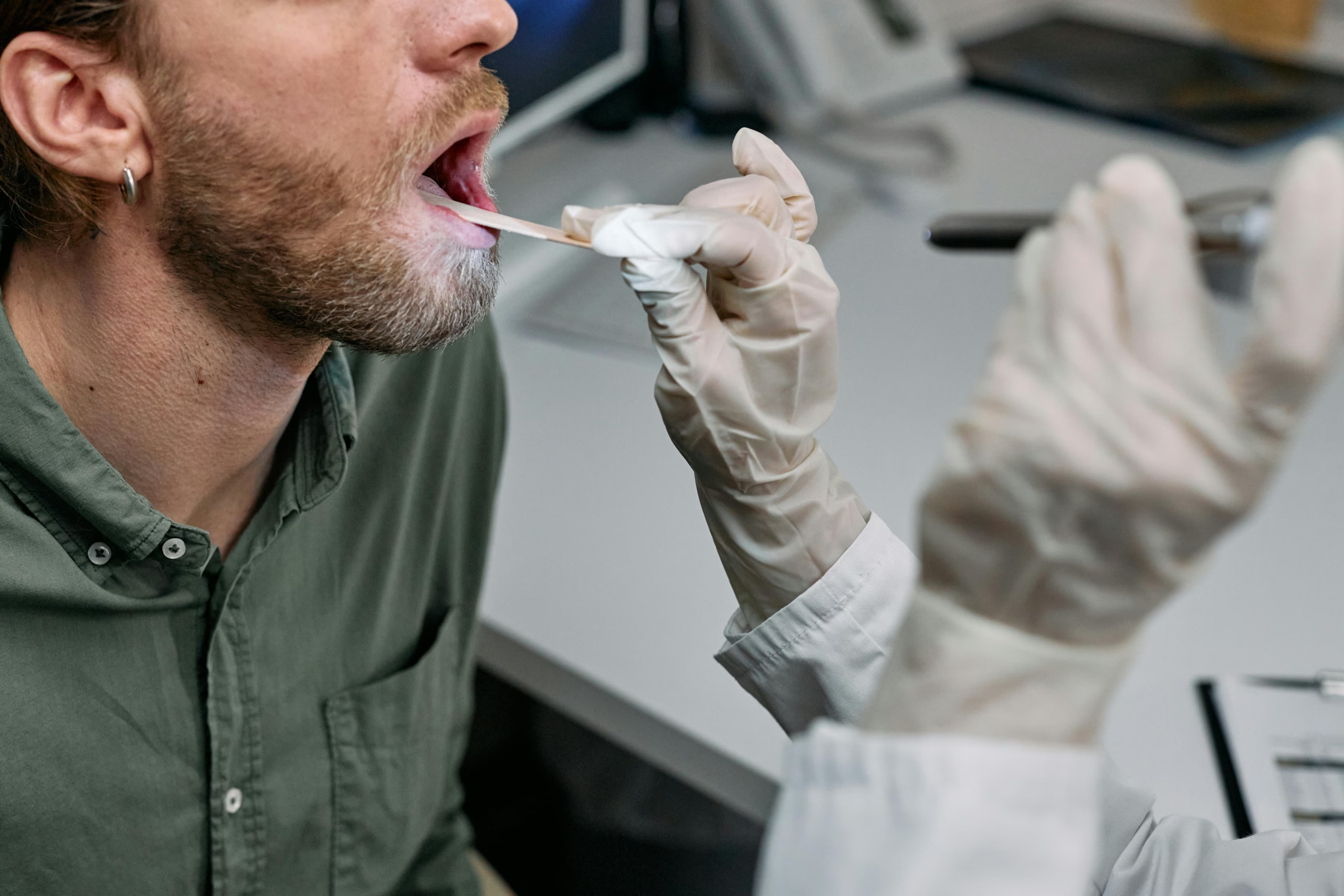
White Tongue: Causes, Symptoms, Treatment & When to Worry
A white tongue is a common oral condition characterized by a whitish coating or patches on the surface of the tongue.
While it is often harmless and temporary, it can sometimes indicate underlying oral or systemic issues that require attention.
In many cases, a white tongue reflects a buildup of debris, bacteria, and dead cells. In others, it may be linked to infections or chronic conditions.
👉 The key is distinguishing between benign coating and clinically significant disease.
What Is a White Tongue?
A white tongue occurs when the small projections on the tongue’s surface, called papillae, become enlarged or inflamed, trapping debris and microorganisms.
This accumulation creates the characteristic white appearance.
The condition can affect part of the tongue or its entire surface, depending on the cause.
What Does a White Tongue Look Like?
The appearance varies widely.
In mild cases, the tongue may have a thin, uniform white coating that can be partially removed with brushing.
In other cases, the coating may be thick, patchy, or uneven. Some areas may appear creamy, while others look dry or rough.
The underlying tongue may appear red and irritated if the coating is removed.
Common Causes of White Tongue
A white tongue is not a single disease; it is a symptom with multiple possible causes.
🔸 Poor Oral Hygiene
One of the most common causes is inadequate oral hygiene.
When the tongue is not cleaned regularly, bacteria, food debris, and dead cells accumulate, forming a visible coating.
This is often temporary and improves with proper oral care.
🔸 Dry Mouth
Saliva plays a critical role in cleansing the oral cavity.
When saliva production is reduced (Xerostomia), debris and microorganisms are more likely to accumulate on the tongue surface.
This can lead to a persistent white coating, especially upon waking.
🔸 Oral Thrush
A white tongue can also be a sign of fungal infection, particularly oral thrush.
In this case, the coating tends to be thicker and may resemble cottage cheese.
Unlike simple buildup, it is often associated with discomfort and does not easily disappear with brushing alone.
🔸 Irritation and Inflammation
Smoking, alcohol use, and certain foods can irritate the tongue, leading to inflammation of the papillae.
This inflammation promotes retention of debris, contributing to a white appearance.
🔸 Underlying Conditions
In some cases, a white tongue may be linked to systemic conditions or more complex oral disorders.
Persistent or unusual presentations should always be evaluated to rule out more serious causes.
White Tongue vs Other Oral Conditions
Not all white changes on the tongue are the same.
Some conditions, such as leukoplakia or oral lichen planus, can also present as white patches but have different causes and implications.
The key difference lies in whether the coating can be removed and whether it is associated with symptoms.
👉 A removable coating usually suggests debris or infection, while fixed patches may require further evaluation.
Symptoms Associated with White Tongue
In many cases, a white tongue causes no symptoms beyond its appearance.
However, depending on the underlying cause, additional symptoms may include:
- Bad breath
- Altered taste
- Dryness
- Mild irritation or burning
When infection is involved, discomfort and sensitivity may be more noticeable.
How to Treat a White Tongue
Treatment depends entirely on the cause.
🔹 Improving Oral Hygiene
In many cases, simple measures are enough.
Brushing the tongue gently with a toothbrush or using a tongue scraper helps remove buildup and restore a normal appearance.
Regular brushing and flossing also reduce bacterial accumulation.
🔹 Managing Dry Mouth
Increasing hydration and addressing factors that reduce saliva production can improve symptoms.
In some cases, saliva substitutes or medical evaluation may be necessary.
🔹 Treating Infections
If oral thrush or another infection is present, antifungal or antimicrobial treatment may be required.
These treatments target the underlying cause rather than just the visible coating.
🔹 Lifestyle Adjustments
Reducing smoking and alcohol consumption can significantly improve oral health and prevent recurrence.
Dietary adjustments may also help maintain a balanced oral environment.
When Should You Be Concerned?
A white tongue is usually harmless, but certain signs require professional evaluation.
If the condition persists for more than one to two weeks, does not improve with hygiene measures, or is associated with pain or unusual patches, it should be assessed by a dental professional.
👉 Persistent changes should never be ignored.
Prevention
Preventing a white tongue is largely about maintaining a healthy oral environment.
Regular oral hygiene, including cleaning the tongue, is essential.
Staying hydrated and avoiding irritants also helps maintain balance in the oral cavity.
Routine dental check-ups allow early detection of any abnormal changes.
Clinical Insight
A white tongue is often dismissed as a minor issue, but clinically, it is a visible indicator of an imbalance in the oral ecosystem.
👉 It reflects how well the body is maintaining microbial and environmental control within the mouth.
Conclusion
A white tongue is a common condition with a wide range of causes, from simple buildup to infection or underlying oral diseases.
Most cases are harmless and easily treated with improved oral hygiene.
The key points are clear:
- It is usually caused by debris accumulation or imbalance
- It can sometimes indicate infection or systemic issues
- Persistent cases require professional evaluation
👉 Understanding the cause is essential for effective treatment.
Frequently Asked Questions
Is a white tongue normal?
It can be normal in mild cases, especially if related to a temporary buildup.
How do I get rid of a white tongue fast?
Improving oral hygiene and cleaning the tongue regularly are the most effective steps.
Is a white tongue a sign of infection?
Sometimes. Oral thrush is a common infectious cause.
Can dehydration cause a white tongue?
Yes, reduced saliva promotes buildup on the tongue surface.
Should I be worried about a white tongue?
Only if it persists, worsens, or is associated with other symptoms.
References (APA Style)
Greenberg, M. S., Glick, M., & Ship, J. A. (2018). Burket’s oral medicine (12th ed.). PMPH USA.
Samaranayake, L. P. (2009). Essential microbiology for dentistry (4th ed.). Churchill Livingstone.
Akpan, A., & Morgan, R. (2002). Oral candidiasis. Postgraduate Medical Journal, 78(922), 455–459.