
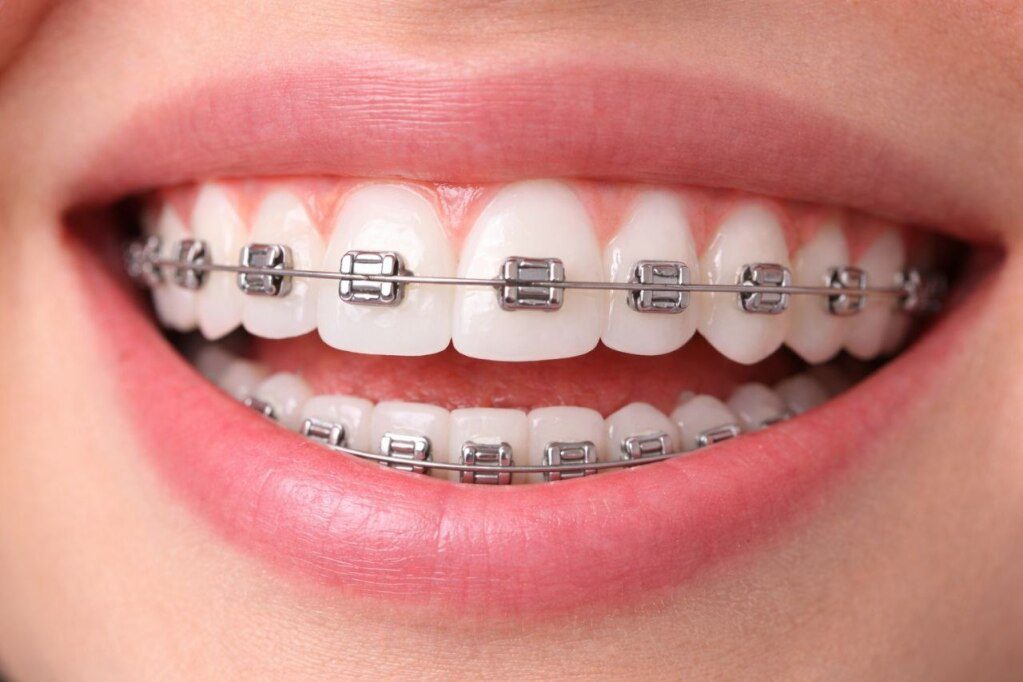
Damon Braces: Cost, Benefits, vs Traditional Braces & Invisalign
Damon Braces are an advanced type of orthodontic treatment that uses self-ligating brackets instead of traditional elastic ties.
This system is designed to reduce friction, improve efficiency, and potentially shorten treatment time.
It’s a modern upgrade to traditional braces, not a completely different concept.
What Are Damon Braces?
Damon Braces are a type of fixed orthodontic appliance that uses a special sliding mechanism to hold the archwire in place.
Unlike conventional braces, they do not require elastic bands (ligatures) to secure the wire.
This allows teeth to move more freely and efficiently.
How Damon Braces Work
The system uses low-friction mechanics to guide teeth into alignment.
The brackets open and close like a small door, holding the wire in place without tight elastic pressure.
This reduces resistance and allows for more natural tooth movement.
👉 Less friction = potentially smoother and faster treatment.
Types of Damon Braces
There are different versions available depending on aesthetic preferences.
🔹Damon Metal Braces
Traditional-looking metal brackets with self-ligating technology.
🔹Damon Clear Braces
Made from ceramic materials for a more discreet appearance. These are popular among adults seeking less visible treatment.
Who Is a Candidate for Damon Braces?
Damon braces are suitable for patients with:
- Mild to severe crowding
- Spacing issues
- Bite problems (overbite, underbite, crossbite)
- Cases requiring comprehensive orthodontic treatment
👉 They can treat a wide range of orthodontic conditions.
Treatment Duration
Treatment time varies depending on the case.
Most treatments take 12 to 24 months, similar to traditional braces.
Some cases may be completed faster due to reduced friction and fewer adjustments.
Cost of Damon Braces
In the United States, Damon braces typically cost:
- $4,000 – $8,000+
Costs depend on complexity, treatment duration, and provider experience. They are often slightly more expensive than traditional braces.
Benefits of Damon Braces
This system offers several key advantages:
- They reduce friction, which may improve treatment efficiency.
- They require fewer adjustments and dental visits.
- They can be more comfortable due to lighter forces.
- They offer aesthetic options with clear brackets.
👉 Efficiency and comfort are their biggest selling points.
Drawbacks
Despite their advantages, there are some limitations:
- They are more expensive than traditional braces.
- They are still visible (especially metal versions).
- Results depend more on the orthodontist than the bracket system itself.
👉 Technology helps, but skill matters more.
Damon Braces vs Traditional Braces
Traditional braces use elastic ties to hold the wire in place.
Damon braces use a self-ligating mechanism, reducing friction.
Both are effective, but Damon braces may require fewer adjustments.
The difference is mechanics, not purpose.
Damon Braces vs Invisalign
Damon braces are fixed and do not rely on patient compliance.
Invisalign is removable and more discreet but requires discipline.
Damon braces may be better for complex cases.
👉 Invisalign = aesthetics
👉 Damon = control and consistency
Daily Life with Damon Braces
Patients must maintain good oral hygiene and avoid certain foods.
Regular orthodontic visits are required for monitoring progress.
There may be initial discomfort as teeth begin to move.
Clinical Insight
Self-ligating systems like Damon braces aim to improve efficiency by reducing friction.
However, scientific evidence shows that treatment outcomes depend more on biological response and clinical planning than bracket type alone.
When to See an Orthodontist
You should consider Damon braces if:
- You need comprehensive orthodontic treatment
- You want fewer adjustment visits
- You prefer a modern alternative to traditional braces
A professional evaluation is essential to determine suitability.
Conclusion
Damon braces are an advanced orthodontic system that uses self-ligating technology to improve treatment efficiency and comfort.
They offer a modern alternative to traditional braces while maintaining the ability to treat complex cases.
The key points are clear:
- They use self-ligating brackets
- They reduce friction and may improve efficiency
- They can treat a wide range of orthodontic issues
👉 They are a strong option for patients seeking effective, fixed orthodontic treatment.
Frequently Asked Questions
Are Damon braces faster than traditional braces?
They may reduce treatment time in some cases, but results vary.
Are Damon braces painful?
They may be more comfortable due to lighter forces, but some discomfort is normal.
Are they better than Invisalign?
They are better for complex cases, while Invisalign is more aesthetic.
Do they require fewer visits?
Yes, they often require fewer adjustments.
Are Damon braces worth the cost?
They can be, depending on patient needs and preferences.
References
Fleming, P. S., & Johal, A. (2010). Self-ligating brackets in orthodontics. The Angle Orthodontist, 80(3), 575–584.
Chen, S. S., Greenlee, G. M., Kim, J. E., et al. (2010). Systematic review of self-ligating brackets. American Journal of Orthodontics and Dentofacial Orthopedics, 137(6), 726.e1–726.e18.
Proffit, W. R., Fields, H. W., Sarver, D. M. (2018). Contemporary orthodontics (6th ed.). Elsevier.