
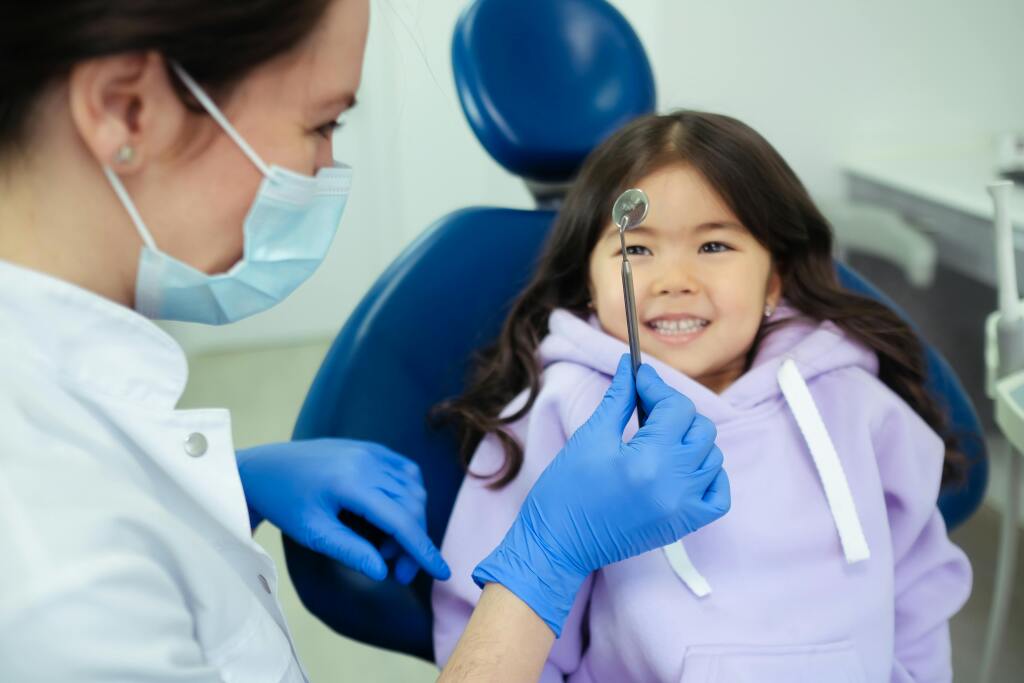
Pediatric Dentistry: Oral Care for Babies and Kids
Pediatric dentistry focuses on preventing, diagnosing, and treating dental problems that affect young patients while promoting healthy habits that last a lifetime.
Children’s teeth, jaws, and oral tissues develop rapidly during growth.
Because of these changes, pediatric dental care requires specialized knowledge, techniques, and preventive strategies tailored specifically to young patients.
Early dental care plays a critical role in preventing tooth decay, guiding proper dental development, and helping children develop positive attitudes toward oral hygiene and dental visits.
What Is Pediatric Dentistry?
Pediatric dentistry is a dental specialty focused on the prevention and treatment of oral health problems in children, from infancy through the teenage years.
Pediatric dentists receive additional training after dental school to learn how to:
- Manage dental development in children
- Treat childhood dental diseases
- Address behavioral and psychological aspects of pediatric care
- Monitor jaw and tooth development
- Treat children with special healthcare needs
Their goal is to ensure that children maintain healthy teeth and gums during critical stages of growth.
Why Pediatric Dentistry Is Important
Oral health during childhood plays a major role in overall health and development.
Children who receive regular dental care are more likely to:
- Develop strong and healthy permanent teeth
- Avoid cavities and gum disease
- Learn proper oral hygiene habits
- Reduce dental anxiety later in life
Preventive care in pediatric dentistry also helps identify dental problems before they become serious.
Common Dental Problems in Children
Children can develop several oral health conditions that require specialized care.
🔹Tooth Decay (Early Childhood Caries)
One of the most common childhood dental diseases is Early childhood caries, a form of tooth decay that affects baby teeth.
This condition can occur when bacteria in the mouth produce acids that damage tooth enamel.
Common risk factors include:
- Frequent consumption of sugary foods or drinks
- Poor oral hygiene
- Prolonged bottle feeding
- Inadequate fluoride exposure
Untreated cavities in primary teeth can cause pain, infection, and difficulty eating or speaking.
🔹Dental Development Problems
Children’s teeth erupt and develop according to specific patterns.
Sometimes, developmental problems may occur, such as:
- Delayed tooth eruption
- Missing teeth
- Overcrowding
- Abnormal tooth alignment
Pediatric dentists monitor dental development to identify potential problems that may require orthodontic treatment later.
🔹Thumb Sucking and Oral Habits
Certain childhood habits may affect dental development.
For example, prolonged thumb sucking or pacifier use can influence the position of teeth and the growth of the jaw.
Pediatric dentists can guide parents on when and how to help children stop these habits to prevent malocclusion or bite problems.
🔹Dental Trauma
Children are physically active and may experience dental injuries, especially during sports or play.
Common dental injuries include:
- Chipped teeth
- Fractured teeth
- Knocked-out teeth
- Soft tissue injuries
Prompt dental care is important to protect tooth structure and prevent complications.
Preventive Care in Pediatric Dentistry
Preventive dentistry is a major focus of pediatric dental care. Several strategies help protect children’s oral health.
🔹Fluoride Treatments
Fluoride strengthens tooth enamel and helps prevent cavities.
Professional fluoride treatments may be recommended during dental visits, especially for children at higher risk of tooth decay.
🔹Dental Sealants
Dental sealant treatments involve placing a thin protective coating on the chewing surfaces of molars.
Sealants help prevent bacteria and food particles from accumulating in deep grooves where cavities commonly develop.
🔹Oral Hygiene Education
Pediatric dentists teach children and parents how to maintain good oral hygiene habits.
Important recommendations include:
- Brushing twice daily with fluoride toothpaste
- Flossing once teeth begin touching
- Limiting sugary foods and drinks
Developing these habits early helps establish lifelong oral health routines.
When Should a Child First Visit the Dentist?
According to dental health organizations, children should visit the dentist by their first birthday or when the first tooth erupts.
Early dental visits allow professionals to:
- Monitor tooth development
- Detect early signs of decay
- Provide guidance on feeding and oral hygiene
Early visits also help children become comfortable with the dental environment.
Pediatric Dentistry and Child-Friendly Care
Pediatric dental clinics are designed to create a comfortable and supportive environment for children.
Dentists often use specialized communication techniques to help children feel relaxed during dental visits.
This approach helps reduce anxiety and encourages children to develop positive attitudes toward dental care.
Final Thoughts
Pediatric dentistry plays a vital role in protecting the oral health of children during critical stages of growth and development.
Through preventive care, early diagnosis, and child-friendly treatment approaches, pediatric dentists help children maintain healthy teeth, proper jaw development, and strong oral hygiene habits.
Early dental care not only prevents future dental problems but also helps children develop lifelong confidence in maintaining their oral health.
Frequently Asked Questions
At what age should children start brushing their teeth?
Children should begin brushing as soon as the first tooth appears, using a small amount of fluoride toothpaste.
How common are cavities in children?
Tooth decay is one of the most common chronic diseases of childhood worldwide.
Are baby teeth really important if they fall out?
Yes. Primary teeth help children chew, speak properly, and guide the eruption of permanent teeth.
How often should children visit the dentist?
Most children should visit the dentist every six months, although some may require more frequent checkups.
What makes pediatric dentists different from general dentists?
Pediatric dentists receive additional training in child development, behavior management, and childhood dental diseases.
References
American Academy of Pediatric Dentistry. (2023). Policy on early childhood caries (ECC): Classifications, consequences, and preventive strategies. Chicago, IL: American Academy of Pediatric Dentistry.
Casamassimo, P. S., Fields, H. W., McTigue, D. J., & Nowak, A. J. (2013). Pediatric dentistry: Infancy through adolescence (5th ed.). St. Louis, MO: Elsevier.
Tinanoff, N., Baez, R. J., Diaz Guillory, C., Donly, K. J., Feldens, C. A., McGrath, C., … & Twetman, S. (2019). Early childhood caries epidemiology, aetiology, risk assessment, societal burden, management, education, and policy: Global perspective. International Journal of Paediatric Dentistry, 29(3), 238–248.