
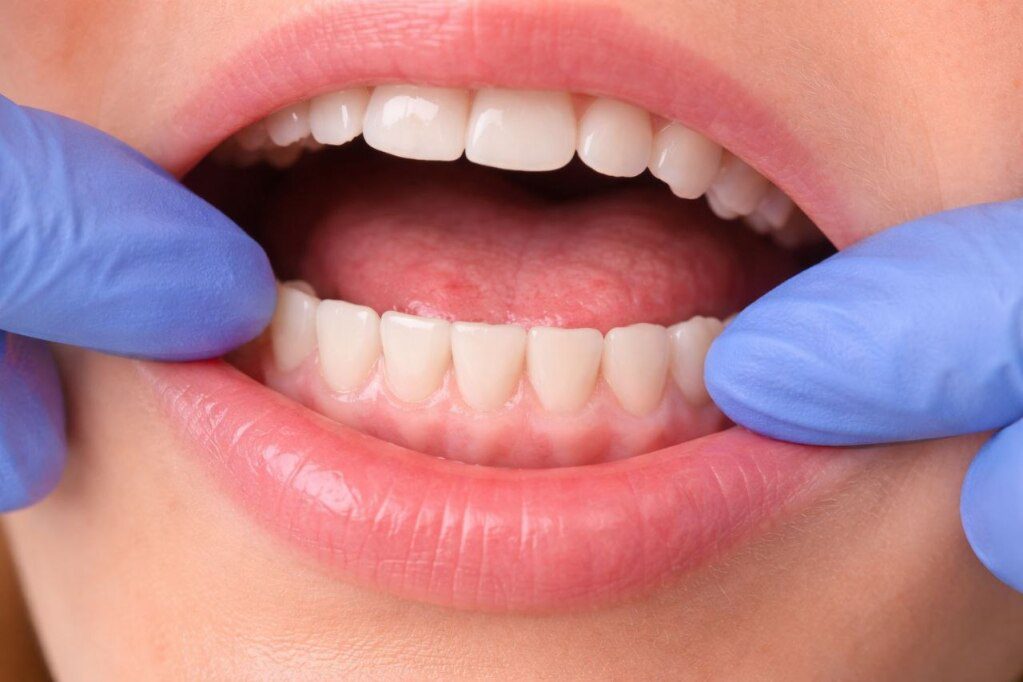
White Gums: Causes, Symptoms, and When to Worry
White gums refer to a condition where the gums lose their normal pink color and appear pale, whitish, or patchy.
This change in color can be temporary or persistent and may indicate reduced blood flow, irritation, infection, or underlying health conditions.
Why Do Gums Turn White?
Healthy gums are typically pink due to adequate blood circulation.
When gums appear white, it may be due to:
- Reduced blood supply
- Tissue changes or thickening
- Surface lesions or coatings
👉 The cause determines whether it is harmless or a sign of disease.
Common Causes of White Gums
🔸Poor Blood Circulation
Temporary whitening may occur due to reduced blood flow, sometimes from pressure or irritation.
🔸Anemia
Low hemoglobin levels can cause pale or white gums along with fatigue, weakness, and dizziness.
🔸Oral thrush
Oral Thrush is a fungal infection that causes white patches on gums, tongue, or cheeks, and a creamy or wipeable coating. Common in individuals with weakened immune systems
🔸Leukoplakia
Characterized by persistent white patches that do not rub off. May require evaluation due to the potential precancerous nature
🔸Gum disease
In some cases, gum disease can alter gum color, especially in areas with reduced blood supply or tissue damage.
🔸Chemical or Thermal Irritation
Burns from hot foods or irritation from dental products may cause temporary whitening.
Symptoms Associated with White Gums
Depending on the cause, white gums may be accompanied by:
- Pain or tenderness
- Burning sensation
- Patches or coatings
- Bleeding
- Swelling
👉 Additional symptoms help identify the underlying issue.
When Are White Gums Serious?
Seek professional evaluation if:
- White areas persist for more than 1–2 weeks
- Patches cannot be wiped away
- There is pain, bleeding, or rapid changes
- You notice systemic symptoms (fatigue, weakness)
👉 Persistent changes should never be ignored.
Diagnosis
Diagnosis involves:
- Clinical examination
- Review of medical history
- Additional tests if needed (e.g., blood tests or biopsy)
Treatment Options
Treatment depends entirely on the underlying cause.
🔹For Infections: Antifungal medications for Oral thrush.
🔹For Nutritional Deficiencies: Iron or vitamin supplementation.
🔹For Irritation: Removing the source of irritation and allowing tissue to heal naturally.
🔹For Suspicious Lesions: Monitoring or biopsy if necessary.
Prevention
Preventive measures include:
- Maintaining good oral hygiene
- Eating a balanced diet
- Avoiding tobacco
- Regular dental check-ups
Clinical Insight
Changes in gum color are an important diagnostic indicator in oral health.
White gums may reflect:
- Localized tissue changes
- Systemic conditions
- Potentially precancerous lesions
👉 Accurate diagnosis is essential for proper management.
Conclusion
White gums can result from a variety of causes, ranging from harmless irritation to more serious conditions.
While some cases resolve on their own, persistent or unexplained changes should be evaluated by a dental professional.
Early diagnosis is key to ensuring proper treatment and maintaining overall health.
Frequently Asked Questions
Are white gums normal?
No, healthy gums are typically pink.
Can white gums be caused by anemia?
Yes, anemia can cause pale or white gum appearance.
Are white patches in the mouth dangerous?
Some are harmless, but others may require evaluation.
Can white gums go away on their own?
Yes, if caused by temporary irritation, but persistent cases need evaluation.
When should I see a dentist?
If the condition lasts more than 1–2 weeks or worsens.
References
American Dental Association (ADA). Oral lesions guidelines.
Mortazavi, H., Safi, Y., Baharvand, M., Jafari, S., Anbari, F., & Rahmani, S. (2019). Oral White Lesions: An Updated Clinical Diagnostic Decision Tree. Dentistry Journal, 7(1), 15.