
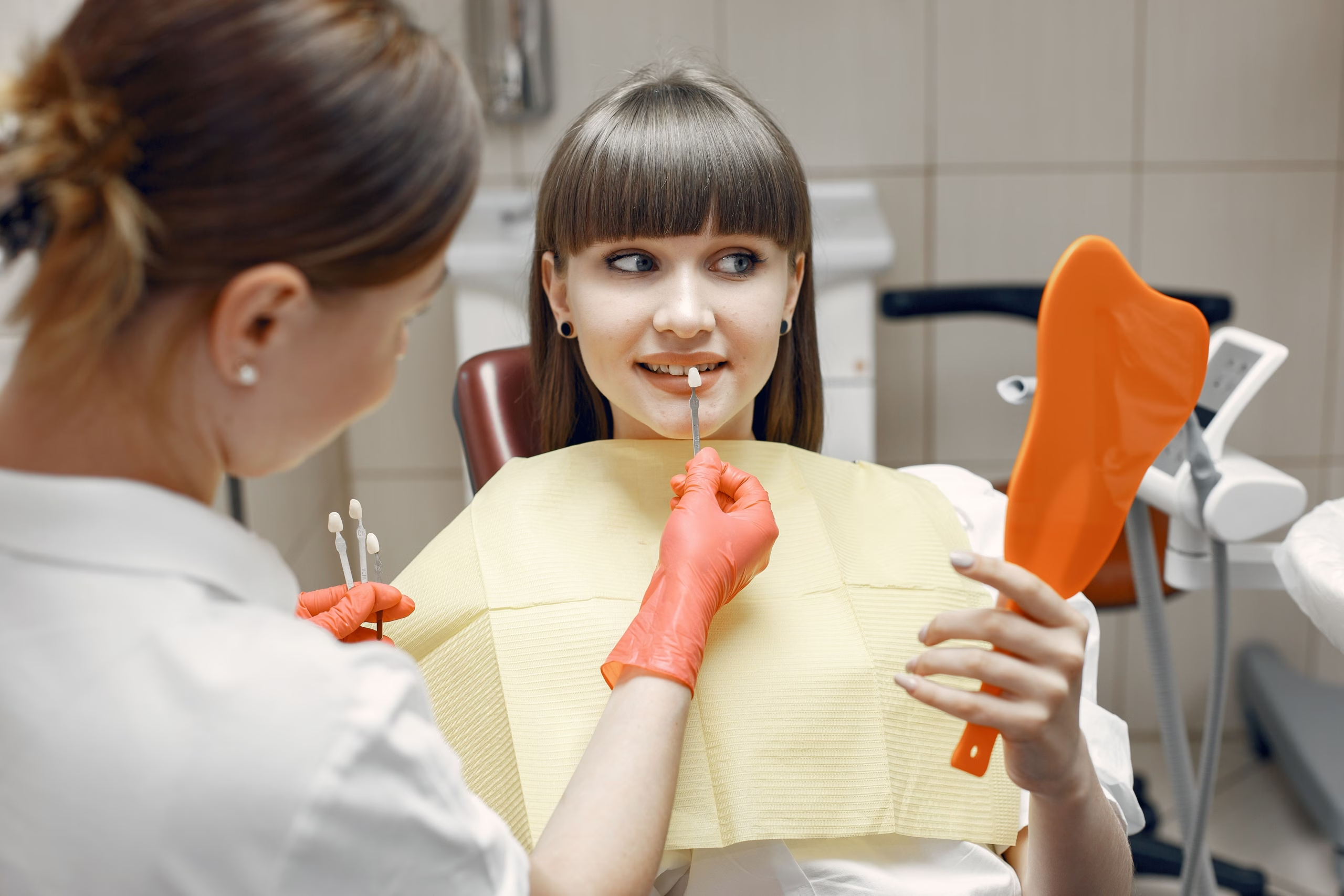
Zirconia Veneers: Benefits, Disadvantages, Cost, and What to Expect
Cosmetic dentistry has evolved significantly over the last few decades.
Today, veneers are one of the most popular treatments for improving smile aesthetics, correcting discoloration, reshaping teeth, and enhancing confidence.
Among the different veneer materials available, zirconia veneers are known for their exceptional strength and durability.
Zirconia is widely used in restorative dentistry because it combines high fracture resistance with good biocompatibility and increasingly improved aesthetics.
Although porcelain veneers are often considered the gold standard for ultra-natural cosmetic results, zirconia veneers may be a valuable option for patients who require stronger restorations or have specific functional needs.
This article explains what zirconia veneers are, their advantages, disadvantages, cost considerations, and how they compare with other veneer materials.
What Are Zirconia Veneers?
Zirconia veneers are thin dental restorations made from zirconium dioxide, a highly durable ceramic material.
They are bonded to the front surface of teeth to improve:
- Tooth color
- Shape
- Size
- Alignment appearance
- Smile symmetry
Zirconia is the same material commonly used for many dental crowns and implant restorations because of its strength and resistance to fracture.
Modern zirconia materials are more aesthetic than older generations, allowing dentists to create increasingly natural-looking cosmetic restorations.
Why Zirconia Is Used in Dentistry
Zirconia became popular in dentistry because it offers a combination of:
- High strength
- Biocompatibility
- Resistance to wear
- Low risk of metal allergies
- Good long-term durability
Unlike traditional metal-based restorations, zirconia is tooth-colored and metal-free.
This makes it appealing for patients seeking both function and aesthetics.
How Zirconia Veneers Work
Zirconia veneers are custom-designed restorations bonded to the front of the teeth.
The treatment process generally involves:
- Dental examination and smile evaluation
- Tooth preparation
- Digital scans or impressions
- Laboratory fabrication
- Veneer bonding
Some cases require minimal enamel removal, while others may need more preparation depending on tooth position, thickness, and cosmetic goals.
Advantages of Zirconia Veneers
✅ Exceptional Strength: One of the biggest advantages of zirconia veneers is their durability.
Zirconia is significantly stronger than many traditional ceramic materials and is highly resistant to fractures and chipping.
This may be especially beneficial for patients with:
- Heavy bite forces
- Mild bruxism
- Worn teeth
- Strong chewing habits
✅ Biocompatibility: Zirconia is generally well tolerated by oral tissues.
The material has low allergenic potential and is compatible with the gums and surrounding tissues.
✅ Stain Resistance: Like other high-quality ceramics, zirconia is resistant to staining from:
- Coffee
- Tea
- Wine
- Tobacco
This helps maintain long-term color stability.
✅ Metal-Free Restoration: Zirconia veneers do not contain metal substructures. This eliminates the dark margins sometimes associated with older metal-based restorations.
Disadvantages of Zirconia Veneers
Despite their strength, zirconia veneers also have limitations.
🔶 Reduced Translucency Compared to Porcelain: Traditional feldspathic porcelain veneers often provide superior translucency and ultra-natural aesthetics.
Although modern zirconia has improved aesthetically, it may still appear slightly more opaque in some situations.
For highly demanding cosmetic cases involving front teeth, porcelain veneers may sometimes produce more natural optical effects.
🔶 More Difficult to Adjust: Zirconia is an extremely hard material. This can make adjustments and polishing more technically demanding compared to other ceramics.
🔶 Potential Wear on Opposing Teeth: In some cases, poorly polished zirconia restorations may contribute to wear on opposing teeth.
Proper finishing and adjustment are extremely important.
🔶 Tooth Preparation May Still Be Necessary: Although some marketing suggests “no-prep” veneers, many patients still require enamel reshaping for optimal results and proper bite relationships.
Zirconia Veneers vs Porcelain Veneers
Both zirconia and porcelain veneers have advantages depending on the patient’s needs.
💠 Zirconia Veneers
- Stronger and more fracture-resistant
- Better for high bite forces
- More durable in certain functional cases
- Slightly less translucent
💠 Porcelain Veneers
- More natural translucency
- Superior ultra-aesthetic appearance
- Often preferred for elite cosmetic cases
- Slightly more fragile
Treatment selection depends on both cosmetic and functional considerations.
Feature | Zirconia Veneers | Porcelain Veneers |
Durability | Extremely strong and resistant to chipping | Less durable than zirconia, but more durable than composite. |
Aesthetics | Highly natural-looking with improved translucency | Excellent aesthetics with a highly natural-looking translucency. |
Stain Resistance | Improved stain-resistant. | Stain-resistant. |
Tooth Reduction | Minimal or no enamel removal required | Requires minimal enamel removal |
Lifespan | 15-20+ years | 10-15 years |
Who Is a Good Candidate for Zirconia Veneers?
Zirconia veneers may be appropriate for patients with:
- Tooth discoloration
- Minor shape irregularities
- Chipped teeth
- Mild spacing issues
- Strong bite forces
- Mild bruxism
- Desire for durable restorations
However, severe bite problems or advanced tooth damage may require orthodontics, crowns, or other restorative treatments instead.
Are Zirconia Veneers Permanent?
Yes and no.
The restorations themselves are long-lasting, but veneer preparation usually involves irreversible enamel modification.
This means veneers are generally considered a permanent dental treatment because teeth will continue requiring restorations afterward.
How Long Do Zirconia Veneers Last?
With proper care, zirconia veneers may last:
- 10–20 years
- Sometimes longer in well-maintained cases
Longevity depends on factors such as:
- Oral hygiene
- Bite forces
- Bruxism habits
- Diet
- Dental maintenance
- Quality of the bonding procedure
Caring for Zirconia Veneers
Good oral hygiene remains essential.
Patients should:
- Brush twice daily
- Floss regularly
- Avoid chewing hard objects
- Wear night guards if recommended
- Attend routine dental checkups
Although zirconia is strong, poor habits can still damage restorations or surrounding teeth.
How Much Do Zirconia Veneers Cost?
Costs vary depending on:
- Geographic location
- Dentist experience
- Laboratory quality
- Number of veneers
- Complexity of the case
One single zirconia veneer may cost from $1.000 to $2.500, while a full smile can cost from $20.000 to $50.000.
In many regions, zirconia veneers are considered premium cosmetic restorations and may cost several hundred to thousands of dollars per tooth.
Are Zirconia Veneers Better Than Composite Veneers?
Zirconia veneers are generally stronger, more stain-resistant, and longer-lasting than composite veneers.
However, composite veneers are:
- Less expensive
- Easier to repair
- More conservative in some cases
- Faster to place
Composite veneers may still be appropriate for selected patients.
Risks and Possible Complications
Potential complications may include:
- Veneer debonding
- Tooth sensitivity
- Gum irritation
- Bite problems
- Fracture or chipping
- Color mismatch
- Need for future replacement
Proper diagnosis and treatment planning are critical for long-term success.
Final Thoughts
Zirconia veneers are durable, metal-free cosmetic restorations that combine strength, aesthetics, and long-term performance.
They may be especially useful for patients who require stronger restorations due to bite forces, mild bruxism, or functional concerns.
Although zirconia veneers may not always provide the same translucency as ultra-thin porcelain veneers, modern zirconia materials continue to improve aesthetically and remain an excellent option for many cosmetic dentistry cases.
Successful outcomes depend heavily on proper case selection, smile design, material choice, and the skill of the dental team.
FAQs About Zirconia Veneers
What are zirconia veneers made of?
Zirconia veneers are made from zirconium dioxide, a highly durable ceramic material commonly used in restorative dentistry.
Are zirconia veneers better than porcelain veneers?
Not necessarily. Zirconia veneers are stronger, while porcelain veneers often provide superior translucency and ultra-natural aesthetics.
How long do zirconia veneers last?
With proper care, zirconia veneers may last 10–20 years or longer.
Do zirconia veneers look natural?
Yes. Modern zirconia materials can produce highly aesthetic results, although they may appear slightly less translucent than some porcelain veneers.
Can zirconia veneers stain?
Zirconia is highly resistant to staining from coffee, wine, tea, and tobacco.
Are zirconia veneers good for people who grind their teeth?
They may be more suitable for patients with mild bruxism or stronger bite forces because of their high fracture resistance. However, severe grinding still requires management.
Do zirconia veneers require shaving the teeth?
In many cases, some enamel reshaping is necessary for proper fit and aesthetics.
Are zirconia veneers expensive?
Yes. Zirconia veneers are generally considered premium cosmetic restorations and may be costly depending on the case and provider.
References
Conrad, H. J., Seong, W. J., & Pesun, I. J. (2007). Current ceramic materials and systems with clinical recommendations: A systematic review. The Journal of Prosthetic Dentistry, 98(5), 389–404.
Kelly, J. R., & Denry, I. (2008). Stabilized zirconia as a structural ceramic: An overview. Dental Materials, 24(3), 289–298.
Magne, P., & Belser, U. (2003). Bonded porcelain restorations in the anterior dentition: A biomimetic approach. Quintessence Publishing.
Sulaiman, T. A., Abdulmajeed, A. A., Donovan, T. E., Ritter, A. V., Lassila, L. V., Vallittu, P. K., & Närhi, T. O. (2015). Optical properties and light irradiance of monolithic zirconia at variable thicknesses. Dental Materials, 31(10), 1180–1187.