
Mouth Ulcers: Causes, Treatment, Types, and When to Worry
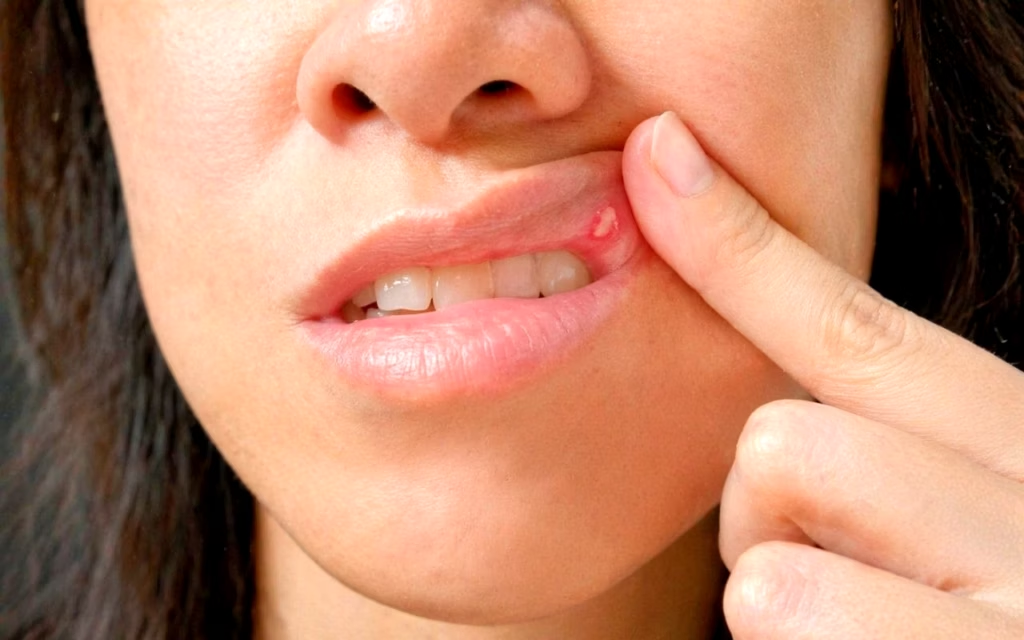
Mouth ulcers are small, painful lesions that develop on the soft tissues of the mouth, including the inner cheeks, lips, tongue, and gums.
They are typically round or oval with a white, yellow, or gray center and a red border.
Most mouth ulcers are harmless and heal on their own, but recurrent or persistent ulcers may indicate an underlying issue.
Types of Mouth Ulcers
🔸Minor Ulcers (Most Common)
- Small (less than 1 cm)
- Heal within 7–14 days
- Do not leave scars
🔸Major Ulcers
- Larger and deeper
- Can take several weeks to heal
- May leave scars
🔸Herpetiform Ulcers
- Multiple small ulcers appearing in clusters
- Can merge into larger lesions
- Not related to herpes virus despite the name
Common Causes of Mouth Ulcers
Mouth ulcers are multifactorial. The most common triggers include:
🔸Local Trauma: Biting the cheek or tongue, aggressive brushing, ill-fitting dental appliances.
🔸Nutritional Deficiencies: Vitamin B12, iron, folate.
🔸Stress and Hormonal Changes: Psychological stress and hormonal fluctuations are strongly associated with recurrent ulcers.
🔸Food Triggers: Acidic foods (citrus, tomatoes), spicy foods, certain preservatives.
🔸Underlying Medical Conditions: Mouth ulcers may be associated with aphthous stomatitis, celiac disease, Crohn’s disease.
Symptoms of Mouth Ulcers
Typical symptoms include:
- Pain or burning sensation
- Round or oval sores with a red border
- Difficulty eating, drinking, or speaking
- Increased sensitivity to spicy or acidic foods
Treatment Options
Most mouth ulcers resolve without intervention, but treatment focuses on reducing pain and speeding healing.
🔹Over-the-Counter Treatments
- Topical gels and protective pastes
- Antiseptic mouthwashes
- Pain-relieving rinses
🔹Prescription Treatments
- Corticosteroid gels or rinses
- Antimicrobial mouthwashes
- Systemic medications (in severe cases)
🔹Home Remedies
- Saltwater rinses
- Avoiding trigger foods
- Maintaining good oral hygiene
When to See a Dentist or Doctor
You should seek professional evaluation if:
- The ulcer lasts more than 2 weeks
- Ulcers are unusually large or frequent
- Severe pain interferes with daily activities
- There are accompanying systemic symptoms (fever, fatigue)
Are Mouth Ulcers Dangerous?
Most mouth ulcers are benign.
However, persistent or unusual ulcers may be an early sign of:
- Nutritional deficiencies
- Autoimmune conditions
- Rarely, oral cancer
👉 Any ulcer that does not heal within 2–3 weeks should be evaluated.
Prevention
While not all ulcers can be prevented, the risk can be reduced by:
- Maintaining proper oral hygiene
- Avoiding known food triggers
- Managing stress
- Ensuring adequate nutrition
Clinical Insight
Recurrent mouth ulcers often reflect an imbalance between immune response and mucosal integrity.
In many cases, identifying the underlying trigger, rather than just treating symptoms, is key to long-term management.
Conclusion
Mouth ulcers are common, usually harmless lesions that can cause significant discomfort but typically resolve on their own.
Understanding their causes and triggers is essential for effective management and prevention.
Persistent or recurrent ulcers should not be ignored, as they may indicate underlying health conditions requiring further evaluation.
Frequently Asked Questions
How long do mouth ulcers last?
Most heal within 1 to 2 weeks.
Are mouth ulcers contagious?
No, they are not infectious.
What is the fastest way to heal a mouth ulcer?
Topical treatments, good oral hygiene, and avoiding irritants can speed healing.
Can stress cause mouth ulcers?
Yes, stress is a well-known trigger.
Should I worry about recurring ulcers?
Frequent ulcers may indicate an underlying condition and should be evaluated.
References (APA Style)
Scully, C. (2006). Aphthous ulceration. New England Journal of Medicine.
Porter, S. R., & Scully, C. (2000). Aphthous ulcers. Clinical Evidence.
Edgar, N. R., Saleh, D., & Miller, R. A. (2017). Recurrent aphthous stomatitis. American Family Physician.