
Gum Disease: Causes, Symptoms, Treatment, and Prevention
Gum disease is a common oral condition that affects the tissues surrounding and supporting the teeth.
It begins with mild inflammation of the gums and can progress to more serious stages that damage bone and lead to tooth loss if left untreated.
Gum disease is one of the leading causes of tooth loss in adults, but it is largely preventable and treatable when detected early.
Stages of Gum Disease
Gum disease develops gradually and is typically classified into two main stages.
🔸Gingivitis
This is the earliest and most reversible stage.
Common features include:
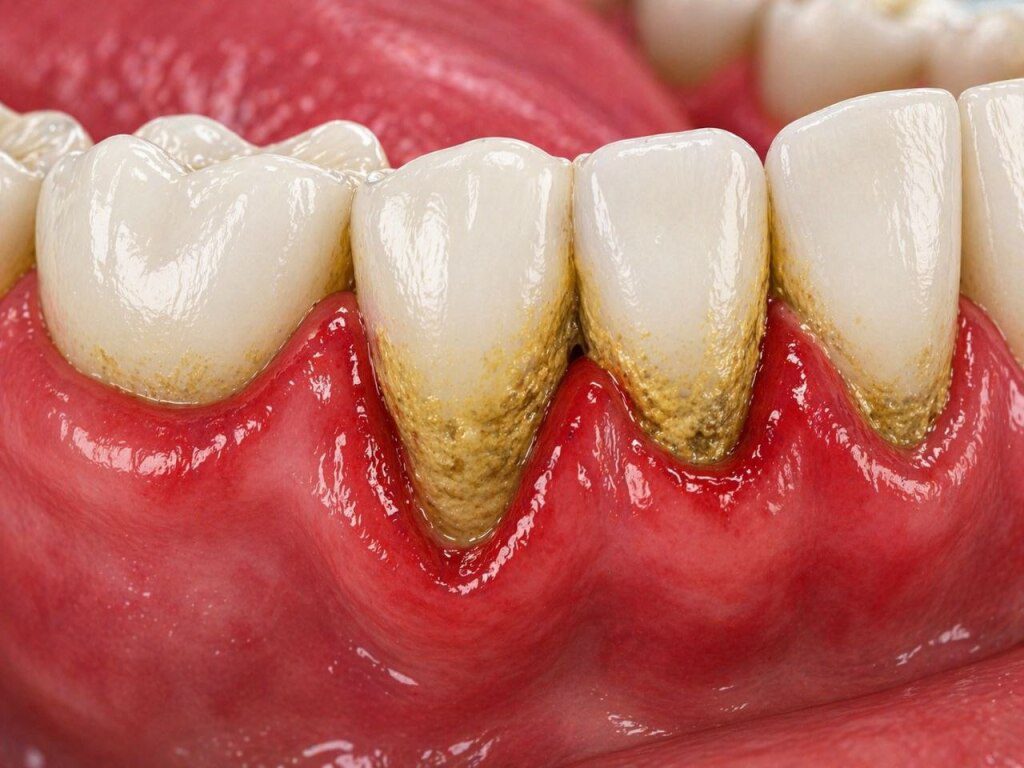
- Red, swollen gums
- Bleeding during brushing or flossing
- Mild discomfort
At this stage, there is no permanent damage to bone or connective tissue.
🔸Periodontitis
If untreated, gingivitis can progress to periodontitis.
This stage involves:
- Destruction of supporting bone
- Formation of periodontal pockets
- Gum recession
- Tooth mobility in advanced cases
👉 Damage at this stage is not fully reversible, but it can be controlled.
Causes of Gum Disease
Gum disease is primarily caused by plaque, a sticky film of bacteria that accumulates on teeth.
If not removed, plaque hardens into tartar, which further irritates the gums.
Contributing factors include:
- Poor oral hygiene
- Smoking
- Hormonal changes
- Certain medications
Systemic conditions such as Diabetes mellitus
Common Symptoms
Symptoms vary depending on the stage, but may include:
- Bleeding gums
- Swollen or tender gums
- Persistent bad breath
- Gum recession
- Loose teeth (advanced cases)
👉 Early gum disease may be painless, which is why it often goes unnoticed.
Symptom-Based Conditions (Important for Early Detection)
Many people first notice gum disease through specific symptoms.
You can explore these in detail:
- Bleeding gums
- Swollen gums
- Receding gums
- Gum pain
- White gums
- Black gums
👉 These are often early warning signs of underlying disease.
Diagnosis
Gum disease is diagnosed through:
- Clinical examination of the gums
- Measurement of periodontal pockets
- Dental X-rays to assess bone loss
Early diagnosis is key to preventing progression.
Treatment Options
Treatment depends on the severity of the condition.
🔹Non-Surgical Treatment
For early to moderate cases:
- Professional cleaning
- Scaling and root planing (deep cleaning)
- Improved oral hygiene
🔹Surgical Treatment
For advanced periodontitis:
- Flap surgery
- Bone grafting
- Soft tissue grafts
👉 The goal is to control infection and preserve supporting structures.
What Happens If Gum Disease Is Left Untreated?
Untreated gum disease can lead to:
- Progressive bone loss
- Tooth mobility and loss
- Chronic infection
- Impact on systemic health
There is growing evidence linking gum disease to conditions such as cardiovascular disease and diabetes.
Prevention
Gum disease is largely preventable with consistent care.
Key measures include:
- Brushing twice daily
- Flossing regularly
- Professional dental cleanings
- Avoiding tobacco use
Clinical Insight
Gum disease is a chronic inflammatory condition driven by bacterial biofilm and host immune response.
The severity of the disease depends not only on bacterial presence but also on how the body responds to infection.
👉 This explains why some individuals are more susceptible than others.
When to See a Dentist
You should seek evaluation if you notice:
- Bleeding during brushing
- Persistent bad breath
- Changes in gum appearance
- Gum recession
Early intervention significantly improves outcomes.
Conclusion
Gum disease is a common but serious condition that affects the health of the gums and supporting structures of the teeth.
It begins as gingivitis and can progress to periodontitis if not treated.
With proper oral hygiene, early detection, and professional care, gum disease can be effectively managed and often prevented.
Frequently Asked Questions
Is gum disease reversible?
Gingivitis is reversible; periodontitis is not fully reversible but can be controlled.
Does gum disease cause tooth loss?
Yes, it is a leading cause of tooth loss in adults.
Is gum disease painful?
Early stages are often painless; advanced stages may cause discomfort.
Can gum disease affect overall health?
Yes, it has been linked to systemic conditions such as diabetes and heart disease.
How common is gum disease?
It is one of the most common oral health conditions worldwide.
References
Newman, M. G., Takei, H. H., Klokkevold, P. R. (2019). Carranza’s clinical periodontology. Elsevier.
Papapanou PN, Sanz M. Periodontitis: Consensus report of workgroup 2 of the 2017 World Workshop on the Classification of Periodontal and Peri-Implant Diseases and Conditions. J Periodontol. 2018 Jun;89 Suppl 1:S173-S182
American Academy of Periodontology (AAP). Periodontal disease guidelines.