
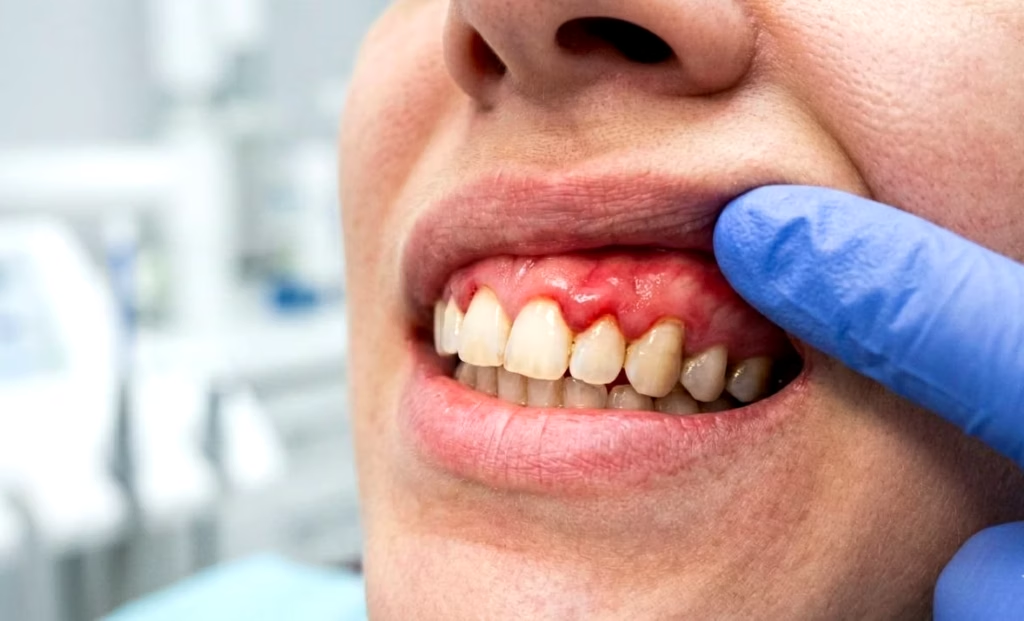
Swollen Gums: Causes, Treatment, and When to See a Dentist
Swollen gums refer to a condition where the gum tissue becomes enlarged, red, and tender due to inflammation.
This is a common symptom that can range from mild irritation to a sign of underlying dental disease.
Why Do Gums Become Swollen?
Swelling occurs as part of the body’s inflammatory response to irritation, infection, or injury.
When bacteria or other irritants affect the gums, the immune system increases blood flow to the area, leading to:
- Redness
- Swelling
- Tenderness
Common Causes of Swollen Gums
🔸Gingivitis: The most common cause of swollen gums. Gingivitis is caused by plaque buildup along the gumline, leading to redness, bleeding, and mild discomfort. It is fully reversible with proper care.
🔸Periodontitis: Advanced gum disease can cause more severe swelling along with gum recession, deep pockets, tooth instability.
🔸Poor Oral Hygiene: Plaque and tartar accumulation irritate the gums and trigger inflammation.
🔸Hormonal Changes: Hormonal fluctuations (e.g., pregnancy, puberty) can increase gum sensitivity and swelling.
🔸Food Impaction: Food trapped between teeth can irritate the gums and cause localized swelling.
🔸Infections: Localized infections, including abscesses, can cause significant swelling and pain.
Symptoms Associated with Swollen Gums
Swollen gums are often accompanied by:
- Red or darkened gum color
- Bleeding during brushing
- Tenderness or pain
- Bad breath
- Gum enlargement
Swollen Gums and Gum Disease
Swollen gums are often one of the earliest signs of gum disease. However, not all swelling indicates advanced disease
Early detection is key to preventing progression.
When Are Swollen Gums Serious?
Seek professional care if you experience:
- Persistent swelling lasting more than a few days
- Severe pain
- Pus or discharge
- Fever
- Swelling spreading to the face
👉 These may indicate infection or advanced disease.
Treatment Options
The treatment for swollen gums depends on the underlying cause.
🔹Improve Oral Hygiene: Brush twice daily, floss regularly, and use antiseptic mouthwash.
🔹Professional Cleaning: Removes plaque and tartar contributing to inflammation.
🔹Medications: Antibacterial rinses, pain relief medications, and antibiotics (if infection is present).
🔹Address Underlying Causes: Treatment may include managing gum disease, removing trapped debris, or correcting oral hygiene habits.
Home Remedies for Swollen Gums
Short-term relief may include:
- Warm saltwater rinses
- Cold compress for swelling
- Avoiding irritating foods
👉 These provide relief but do not replace treatment.
Prevention
To reduce the risk of swollen gums:
- Maintain good oral hygiene
- Visit your dentist regularly
- Avoid tobacco
- Use proper brushing technique
Clinical Insight
Swollen gums are a non-specific inflammatory response that can indicate anything from mild irritation to active periodontal disease. Diagnosis depends on identifying the underlying cause, not just the symptom.
Conclusion
Swollen gums are a common condition that often signals inflammation in the oral tissues.
While mild cases may resolve with improved hygiene, persistent or severe swelling requires professional evaluation.
Early treatment is essential to prevent progression to gum disease and protect oral health.
Frequently Asked Questions
Why are my gums swollen?
Common causes include plaque buildup, irritation, or gum disease.
Can swollen gums go away on their own?
Mild cases may improve, but persistent swelling requires treatment.
Are swollen gums a sign of infection?
They can be, especially if accompanied by pain or pus.
How do I reduce gum swelling fast?
Saltwater rinses and proper hygiene can help temporarily.
Should I see a dentist for swollen gums?
Yes, if symptoms persist or worsen.
References
Newman, M. G., Takei, H. H. (2019). Carranza’s clinical periodontology. Elsevier.
Pihlstrom, B. L. (2005). Periodontal diseases. Lancet.