
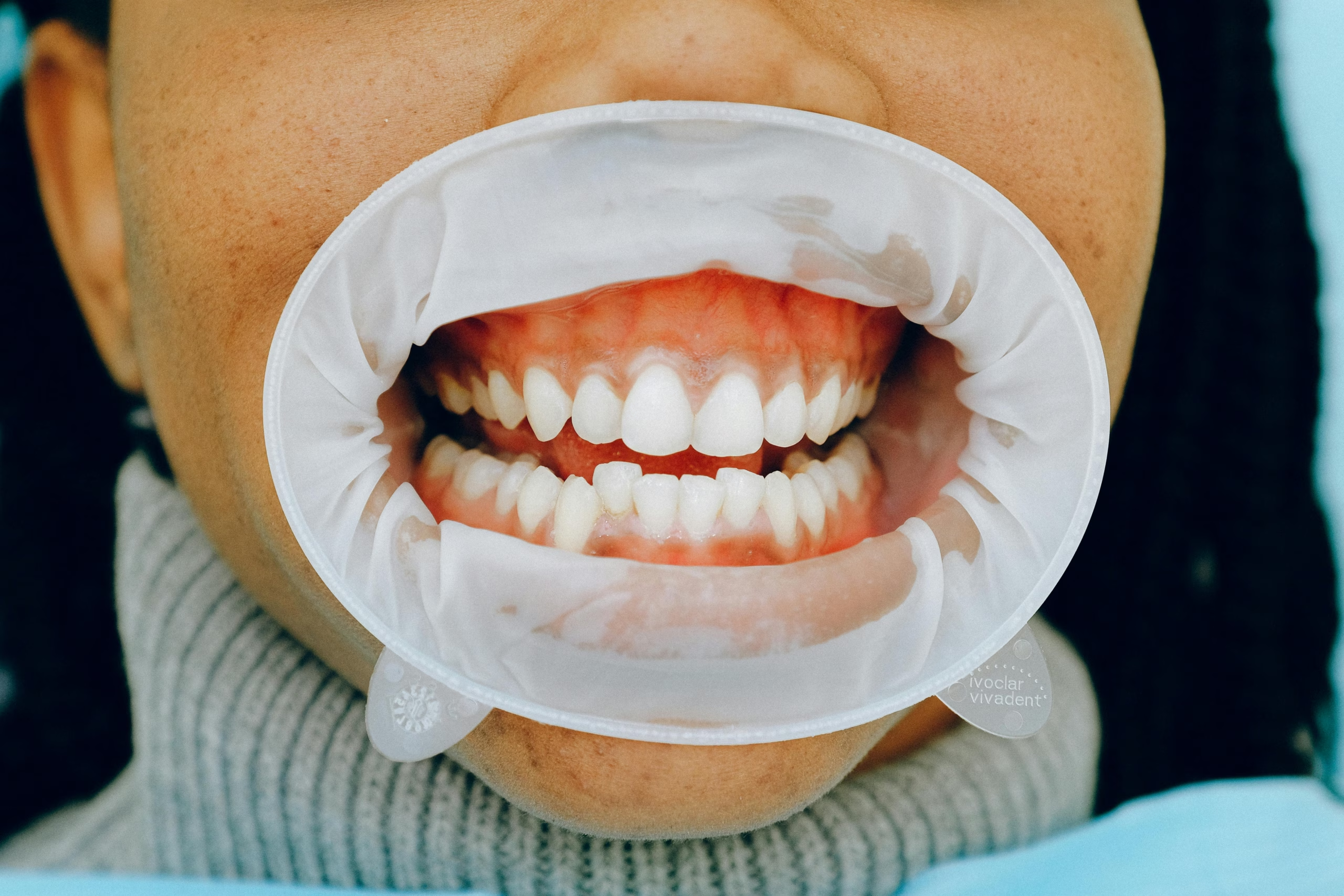
Black Gums: Causes, Treatment, and When to Worry
Black gums refer to gums that appear dark brown, gray, or black instead of the typical pink color.
In many cases, this discoloration is completely normal. However, it can also indicate underlying conditions that require evaluation.
Are Black Gums Normal?
Yes, in many individuals, dark gums are a natural variation.
This is due to:
- Higher levels of melanin (the pigment responsible for skin and gum color)
- Genetic factors
👉 Not all black gums are a sign of disease
Common Causes of Black Gums
🔸Melanin pigmentation
The most common and harmless cause. People with darker skin tones often have naturally darker gums. This requires no treatment
🔸Smoking (Smoker’s Melanosis)
Tobacco use can stimulate melanin production, leading to darker gum color over time.
🔸Gum disease
Advanced gum disease may cause:
- Darkened or purplish gums
- Swelling
- Bleeding
👉🏻The black gums are usually accompanied by other symptoms
🔸Medications
Certain drugs can cause pigmentation changes in the gums.
🔸Amalgam Tattoo
This is a harmless condition caused by dental filling materials embedded in gum tissue, appearing as dark spots.
🔸Oral melanoma
A rare but serious condition that may present as:
- Dark, irregular patches
- Rapid changes in color or size
👉 Requires immediate evaluation
Symptoms Associated with Black Gums
Depending on the cause, black gums may be accompanied by:
- Swelling
- Bleeding
- Pain
- Changes in gum texture
- Irregular patches or borders
👉 Additional symptoms help distinguish normal pigmentation from disease
When Are Black Gums a Concern?
Seek professional evaluation if you notice:
- Sudden or uneven darkening
- Rapid changes in size or shape
- Pain or bleeding
- Isolated dark spots with irregular borders
👉 These may indicate underlying pathology
Diagnosis
Diagnosis typically involves:
- Clinical examination
- Review of medical and dental history
- Biopsy in suspicious cases
Treatment Options
Treatment depends on the underlying cause.
🔹No Treatment Needed
For natural pigmentation, no intervention is required.
🔹Lifestyle Changes
Smoking cessation can reduce pigmentation over time
🔹Treatment for Gum Disease
Professional periodontic care is required if discoloration is linked to inflammation or infection
🔹Cosmetic Procedures
In some cases, gum depigmentation procedures may be performed for aesthetic reasons
🔹Management of Serious Conditions
Conditions like Oral melanoma require specialized medical treatment, which may include surgical procedures and radiation therapy.
Prevention
Preventive measures include:
- Maintaining good oral hygiene
- Avoiding tobacco
- Regular dental check-ups
Clinical Insight
Gum pigmentation is influenced by melanin activity, environmental factors, and systemic conditions.
Distinguishing between normal variation and pathology is essential for accurate diagnosis.
👉 Sudden changes are more concerning than stable pigmentation
Conclusion
Black gums can be completely normal or a sign of underlying conditions, depending on the cause.
While natural pigmentation is harmless, any unusual or changing discoloration should be evaluated by a dental professional.
Understanding the difference is key to ensuring proper care and peace of mind.
Frequently Asked Questions
Are black gums normal?
Yes, in many individuals this is due to natural pigmentation.
Can smoking cause black gums?
Yes, it can increase melanin production in gum tissue.
Are black spots on gums dangerous?
Most are harmless, but some require evaluation.
Can black gums be treated?
Yes, but most of the time they require no intervention, unless it’s caused by underlying conditions or for cosmetic reasons.
When should I see a dentist?
If there are changes in color, shape, or associated symptoms like pain or bleeding.
References
Neville, B. W. (2016). Oral and maxillofacial pathology. Elsevier.
Eisen, D. (2000). Disorders of pigmentation in the oral cavity. Dermatologic Clinics.
American Dental Association (ADA). Oral pathology guidelines.