
Dental Plaque: Causes, Removal, Prevention & Why It Matters
Dental plaque is a sticky, colorless film of bacteria that constantly forms on the teeth and along the gumline.
It is one of the main causes of cavities and gum disease.
👉 If not removed regularly, plaque can harden into tartar and lead to serious oral health problems.
What Is Dental Plaque?
Dental plaque is a biofilm composed of:
- Bacteria
- Saliva
- Food particles
It adheres to tooth surfaces and can accumulate quickly, often within hours after brushing.
How Does Dental Plaque Form?
Plaque formation is a continuous and natural process.
Step-by-Step Formation:
- After eating, bacteria feed on sugars
- They produce acids as a byproduct
- These acids interact with saliva and debris
- A sticky film (plaque) forms on teeth
👉 Without proper cleaning, this film thickens and becomes harmful.
Why Is Dental Plaque Harmful?
Plaque is not just harmless buildup; it’s biologically active.
🔸 Causes Tooth Decay: Bacteria in plaque produce acids that erode enamel, leading to cavities.
🔸 Leads to Gum Disease: Plaque accumulation along the gumline causes gingivitis (early stage) and periodontitis (advanced stage).
🔸 Can Harden Into Tartar: If not removed, plaque mineralizes into tartar (calculus), which cannot be removed at home.
Signs of Dental Plaque Buildup
Plaque is often invisible, but signs include:
- Fuzzy feeling on teeth
- Bad breath
- Yellowish buildup near the gums
- Bleeding gums when brushing
Dental Plaque vs Tartar
These are related but different.
Feature | Dental Plaque | Tartar |
Texture | Soft, sticky | Hard |
Removal | At home | Professional cleaning |
Formation | Rapid | Develops over time |
👉 Plaque is the early stage, tartar is the consequence of neglect.
How to Remove Dental Plaque
Effective removal requires consistency and proper technique.
🔹 Brushing: Brush at least twice daily using proper technique.
🔹 Flossing: Removes plaque between teeth where brushes cannot reach.
🔹 Mouthwash: Helps reduce bacteria but does not replace brushing or flossing.
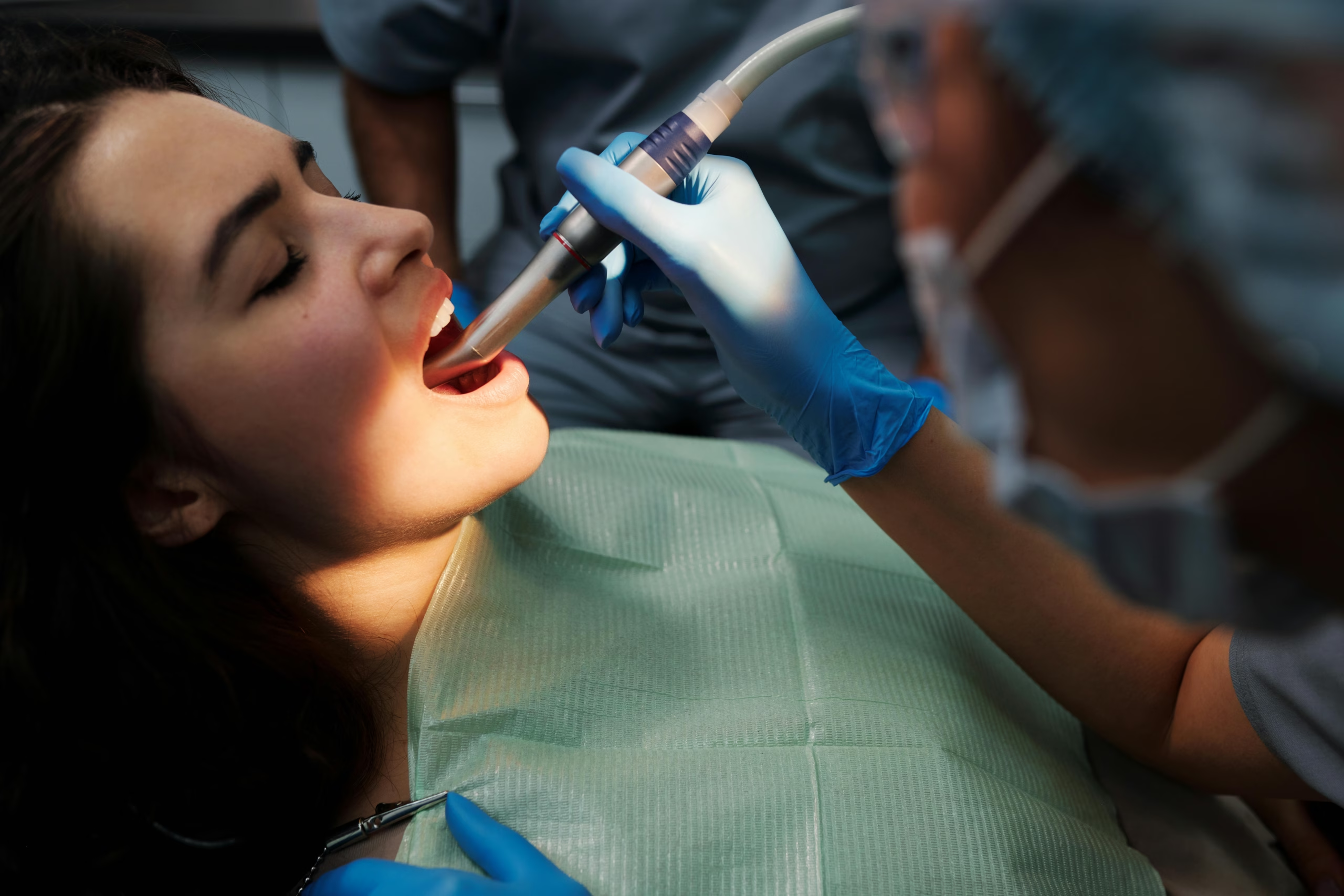
🔹 Professional Dental Cleaning: Removes hardened tartar and persistent plaque buildup.
Best Practices to Prevent Dental Plaque
Prevention is far easier than treatment.
🔹 Maintain Good Oral Hygiene: Brush twice daily and floss daily.
🔹 Limit Sugary Foods: Sugar feeds plaque-forming bacteria.
🔹 Stay Hydrated: Saliva helps neutralize acids and wash away debris.
🔹 Use Fluoride: Strengthens enamel and protects against acid damage.
🔹 Diet and Dental Plaque: What you eat directly affects plaque formation.
🔶 Foods That Promote Plaque:
- Sugary snacks
- Sticky carbohydrates
- Frequent snacking
💠 Foods That Help Reduce Plaque:
- Crunchy fruits and vegetables
- Water
- Dairy products
👉 Diet plays a bigger role than most people realize.
Who Is at Higher Risk?
Some individuals are more prone to plaque buildup:
- People with poor oral hygiene
- Smokers
- Individuals with dry mouth
- Patients with braces
Can Dental Plaque Be Completely Prevented?
No, but it can be controlled. The goal is not elimination, but effective daily removal.
Common Mistakes That Increase Plaque
- Skipping flossing
- Brushing too quickly
- Not brushing at night
- Ignoring professional cleanings
Does Plaque Cause Bad Breath?
Yes. Bacteria in plaque produce compounds responsible for unpleasant odors and halitosis.
When to See a Dentist
You should seek professional care if you notice:
- Persistent bad breath
- Bleeding gums
- Visible tartar buildup
- Tooth sensitivity
👉 Early intervention prevents more serious problems.
Conclusion
Dental plaque is a constant part of oral biology, but it becomes dangerous when not properly managed.
Key takeaways:
- Forms continuously on teeth
- Causes cavities and gum disease
- Easily controlled with daily hygiene
👉 Consistency, not perfection, is what keeps plaque under control and ensures proper oral health.
Frequently Asked Questions
How quickly does dental plaque form?
It can begin forming within hours after brushing.
Can mouthwash remove plaque?
It helps reduce bacteria but cannot remove plaque completely.
Is plaque visible?
Not always, it is often colorless and difficult to see.
What happens if plaque is not removed?
It hardens into tartar and increases the risk of gum disease and cavities.
How do I know if I have plaque?
Signs include bad breath, fuzzy teeth, and bleeding gums.
References
Marsh, P. D. (2006). Dental plaque as a biofilm and a microbial community. Caries Research, 40(1), 1–7.
Featherstone, J. D. B. (2000). The science and practice of caries prevention. Journal of the American Dental Association, 131(7), 887–899.
Socransky, S. S., & Haffajee, A. D. (2002). Dental biofilms: Difficult therapeutic targets. Periodontology 2000, 28(1), 12–55.