
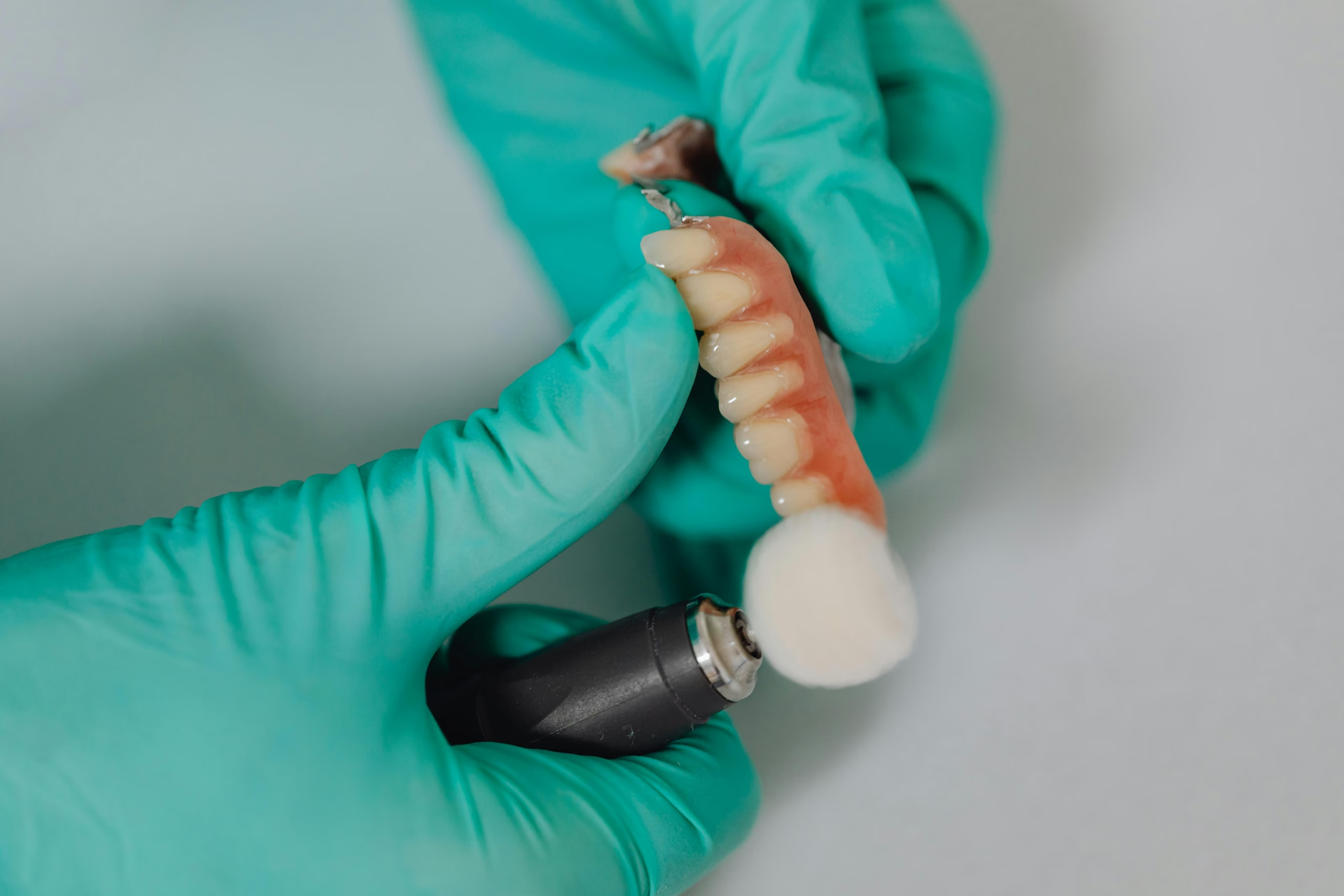
Dental Prosthesis: Types, Cost, Benefits & How to Choose
A dental prosthesis is an artificial device used to replace missing or damaged teeth, restoring both function and aesthetics.
Modern prosthetic dentistry offers a wide range of solutions, from removable dentures to advanced implant-supported restorations.
The goal is not just to replace teeth, but to restore the entire oral system.
What Is a Dental Prosthesis?
A dental prosthesis is any artificial replacement for teeth or oral structures designed to improve chewing, speech, and appearance.
These devices can be removable or fixed, depending on the treatment approach and patient needs.
They play a central role in restorative and rehabilitative dentistry.
Types of Dental Prosthesis
Dental prosthetics can be classified based on how they are supported and whether they are removable or fixed.
🔹Dentures
Dentures are removable prosthetic devices used to replace multiple or all missing teeth.
They are one of the most traditional and widely used options.
🔹Dental Bridges
A Dental bridge replaces one or more missing teeth by anchoring to adjacent natural teeth or implants.
It provides a fixed solution without requiring removal.
🔹Dental Crowns
A dental crown is used to restore a damaged or weakened tooth by covering it completely. It improves both strength and appearance.
🔹Implant-Supported Prosthesis
These prosthetics are supported by dental implants instead of natural teeth or gums.
Examples include implant-supported dentures and full-arch restorations using techniques like All-on-4 implants.
👉 This is the most advanced category of dental prosthesis.
Fixed vs Removable Prosthesis
Dental prostheses can be broadly divided into two categories:
💠 Removable prosthesis can be taken out by the patient, such as traditional dentures.
💠 Fixed prosthesis are permanently attached and cannot be removed without professional assistance.
Fixed options generally provide better stability and function.
Who Needs a Dental Prosthesis?
A dental prosthesis may be recommended for patients who:
- Have missing teeth
- Have severely damaged or weakened teeth
- Experience difficulty chewing or speaking
- Want to improve aesthetics
Early replacement of missing teeth helps prevent complications such as bone loss and shifting teeth.
Benefits of Dental Prosthesis
Dental prosthetics provide several important benefits:
- They restore the ability to chew and speak properly.
- They improve facial aesthetics and confidence.
- They help maintain proper alignment of remaining teeth.
- They can also prevent further oral health problems.
👉 Function and aesthetics go hand in hand.
Cost of Dental Prosthesis
Costs vary widely depending on the type of prosthesis.
- Dentures: $1,000 – $3,000+
- Bridges: $2,000 – $5,000+
- Crowns: $800 – $2,500 per tooth
- Implant-supported prosthesis: $6,000 – $50,000+
👉 Advanced solutions like implant-supported prosthetics are more expensive but offer superior performance and longevity.
Dental Prosthesis vs Dental Implants
Dental implants replace the root of the tooth, while prostheses replace the visible structure.
In many cases, both are used together to achieve optimal results.
Implants provide the foundation, and prosthetics provide the visible restoration.
Risks and Considerations
Although highly effective, dental prostheses require proper care and maintenance.
Potential issues include wear, damage, or discomfort if not properly fitted.
Regular dental visits are essential to ensure long-term success.
How to Choose the Right Option
The best prosthetic solution depends on several factors.
These include the number of missing teeth, bone availability, budget, and patient preference.
A dentist will evaluate these factors to recommend the most appropriate treatment.
There is no one-size-fits-all solution.
Clinical Insight
Dental prosthetics are most effective when integrated into a comprehensive treatment plan.
👉 The combination of implants and prosthetics represents the most advanced approach to oral rehabilitation.
When to See a Dentist
You should consider evaluation if:
- You have missing or damaged teeth
- You experience difficulty chewing
- You want to improve your smile
Early treatment leads to better outcomes and fewer complications.
Conclusion
A dental prosthesis is an essential solution for restoring missing or damaged teeth, improving both function and appearance.
From traditional dentures to advanced implant-supported restorations, modern dentistry offers a wide range of options.
The key points are clear:
- Dental prostheses replace missing or damaged teeth
- They can be removable or fixed
- Advanced options include implant-supported solutions like All-on-4 implants
👉 Choosing the right prosthesis can significantly improve quality of life.
Frequently Asked Questions
What is the best type of dental prosthesis?
It depends on individual needs, but implant-supported options are often the most stable.
Are dentures considered a dental prosthesis?
Yes, they are one of the most common types.
How long do dental prostheses last?
It varies by type, but many can last several years with proper care.
Are fixed prostheses better than removable ones?
They generally provide better stability and comfort.
Are dental prostheses expensive?
Costs vary widely depending on the type and complexity of treatment.
References
Misch, C. E. (2008). Contemporary implant dentistry (3rd ed.). Mosby Elsevier.
Shillingburg, H. T., Hobo, S., Whitsett, L. D., et al. (2012). Fundamentals of fixed prosthodontics (4th ed.). Quintessence Publishing.
Feine, J. S., Carlsson, G. E., Awad, M. A., et al. (2002). The McGill consensus statement on overdentures. International Journal of Prosthodontics, 15(4), 413–414.