
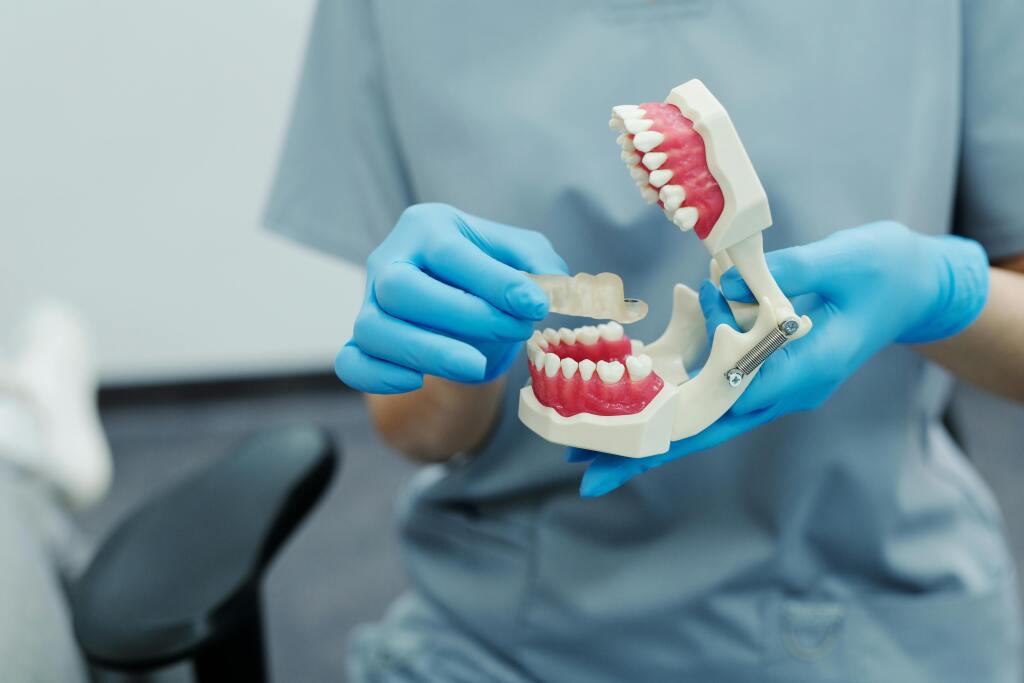
Night Guard for Teeth Grinding: TMJ Relief, Types, and Cost
A night guard is a dental appliance worn during sleep to protect teeth from grinding and clenching, a condition known as bruxism.
It also plays a key role in reducing symptoms associated with jaw disorders, including TMJ pain.
Teeth grinding is more common than most people realize, and over time, it can lead to serious damage, not just to teeth, but also to the jaw joints and muscles.
This guide explains how night guards work, their benefits, types, costs, and how to choose the right option.
What Is a Night Guard?
A night guard is a custom or pre-made oral appliance worn over the teeth while sleeping.
Its main purposes are:
- Protect teeth from grinding damage
- Reduce pressure on the jaw joints
- Minimize muscle strain
Night guards act as a protective barrier, preventing direct tooth-to-tooth contact.
What Is Bruxism (Teeth Grinding)?
Bruxism is a condition characterized by involuntary grinding or clenching of teeth, usually during sleep.
Common causes include:
- Stress and anxiety
- Sleep disorders
- Misaligned bite
- Lifestyle factors (caffeine, alcohol)
Many people are unaware that they grind their teeth until symptoms appear.
Signs You May Need a Night Guard
You may benefit from a night guard if you experience:
- Worn or flattened teeth
- Tooth sensitivity
- Jaw pain or tightness
- Morning headaches
- Clicking or popping jaw sounds
- Facial muscle fatigue
Dentists often detect bruxism during routine exams.
How Night Guards Help with TMJ Pain
Night guards are commonly used to manage symptoms of temporomandibular Joint Disorders.
They help by:
- Reducing pressure on the jaw joint
- Relaxing overactive jaw muscles
- Preventing clenching during sleep
- Stabilizing the bite position
While not a cure, they are an effective part of TMJ symptom management.
Types of Night Guards
Not all night guards are the same. The right type depends on severity and individual needs.
1. Custom Night Guards (Dentist-Made)
- Made from impressions of your teeth
- Designed for precise fit and comfort
- Available in soft, hard, or dual-layer materials
Best for: Moderate to severe grinding and TMJ issues
2. Boil-and-Bite Night Guards
- Softened in hot water and molded at home
- Better fit than generic guards
Best for: Mild to moderate cases
3. Over-the-Counter (Stock) Night Guards
- Pre-formed, one-size-fits-all
- Least expensive but least comfortable
Best for: Temporary or short-term use
Soft vs Hard Night Guards
💠 Soft night guards
- More comfortable
- Suitable for mild grinding
💠 Hard night guards
- More durable
- Better for heavy clenching
💠 Dual-layer guards
- Soft inside, hard outside
- Balance between comfort and durability
Dentists select the material based on bite force and symptoms.
How Much Does a Night Guard Cost?
Costs vary widely depending on type:
- Over-the-counter: $20–$100
- Boil-and-bite: $50–$150
- Custom dentist-made: $300–$800+
Factors influencing cost:
- Material used
- Customization level
- Dental clinic location
- Additional TMJ evaluation
Custom guards are more expensive but significantly more effective and durable.
How Long Do Night Guards Last?
Lifespan depends on type and usage:
- OTC guards: a few months
- Boil-and-bite: 6–12 months
- Custom guards: 1–5+ years
Heavy grinders may wear them down faster.
How to Care for a Night Guard
Proper care prevents bacteria buildup and extends lifespan.
🔹 Daily care:
- Rinse after use
- Brush gently with a toothbrush
- Let it air dry
🔹 Weekly care:
- Use cleaning tablets or mild disinfectant
🔹 Avoid:
- Hot water (can warp material)
- Leaving it exposed to bacteria
Can a Night Guard Stop Teeth Grinding?
No, it does not stop the habit itself.
Instead, it:
- Protects teeth from damage
- Reduces muscle strain
- Minimizes TMJ stress
For long-term management, underlying causes (like stress) should also be addressed.
When Should You See a Dentist?
You should consult a dentist if you have:
- Persistent jaw pain
- Frequent headaches
- Visible tooth wear
- Broken or chipped teeth
- Difficulty opening or closing your mouth
Early treatment prevents more serious complications.
FAQ About Night Guards
Do night guards help TMJ pain?
Yes. They reduce pressure on the jaw joint and help relieve symptoms.
Can I buy a night guard without a dentist?
Yes, but custom guards are more effective and comfortable.
Is it safe to wear a night guard every night?
Yes. They are designed for nightly use.
Can a night guard damage teeth?
No, when properly fitted. Poorly fitted guards may cause discomfort.
How do I know if I grind my teeth at night?
Common signs include jaw pain, worn teeth, and morning headaches.
Conclusion
Night guards are an effective solution for protecting teeth from grinding and reducing symptoms of TMJ disorders.
They act as a barrier between teeth, preventing damage and helping relieve pressure on the jaw.
While over-the-counter options exist, custom night guards provide the best fit, comfort, and long-term protection.
If you suspect teeth grinding or experience jaw discomfort, a dental evaluation can help determine the best treatment approach to protect your oral health.
References
Ainoosah, S., Farghal, A. E., Alzemei, M. S., Saini, R. S., Gurumurthy, V., Quadri, S. A., Okshah, A., Mosaddad, S. A., & Heboyan, A. (2024). Comparative analysis of different types of occlusal splints for the management of sleep bruxism: A systematic review. BMC Oral Health, 24, 29.
National Institute of Dental and Craniofacial Research. (n.d.). Temporomandibular joint disorders. U.S. Department of Health and Human Services.
Lobbezoo, F., et al. (2018). Bruxism defined and graded. Journal of Oral Rehabilitation.