
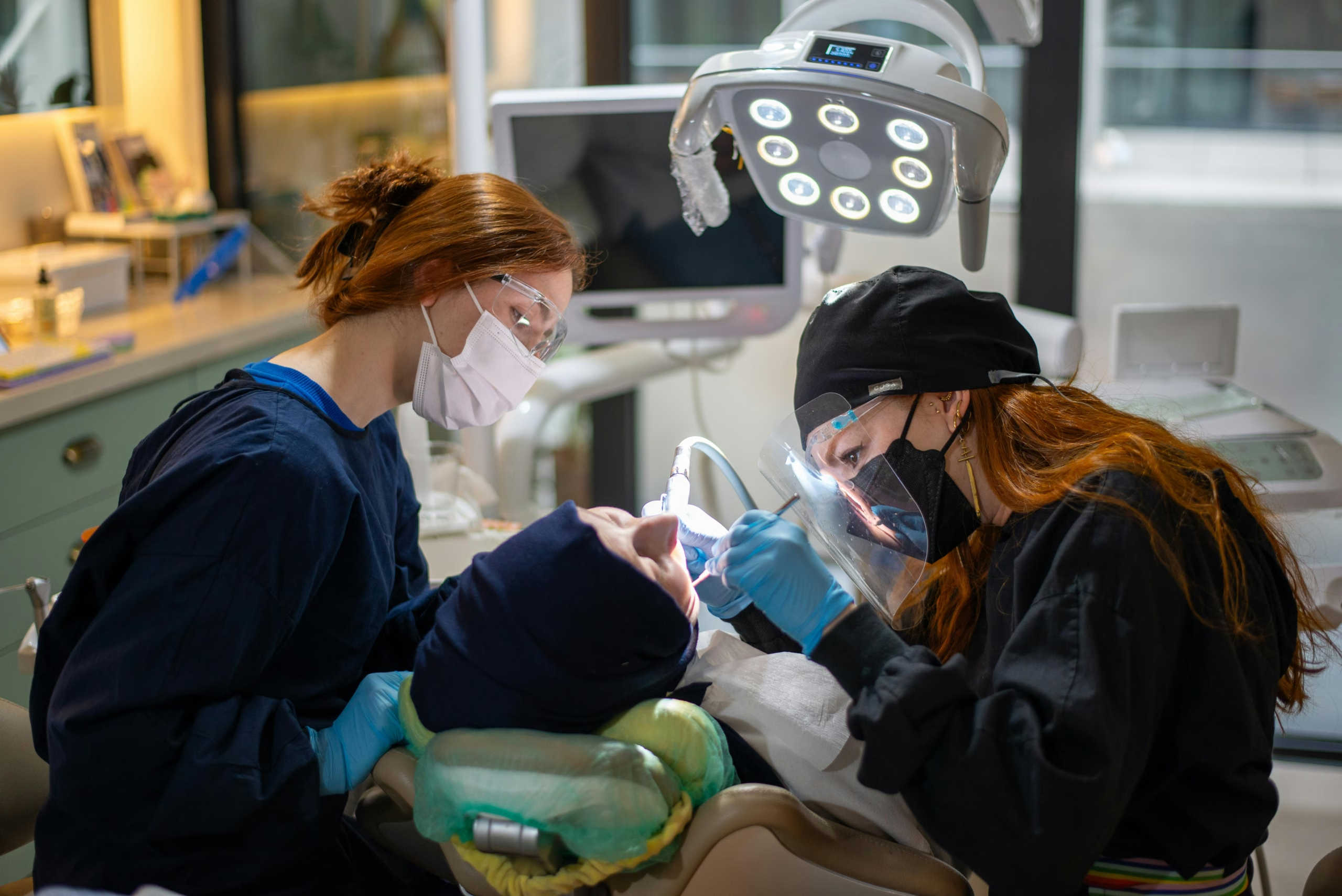
Oral Surgery: Types, Procedures, Recovery & What to Expect
Oral surgery refers to surgical procedures performed in the mouth, jaws, and surrounding facial structures to treat a wide range of conditions.
It includes everything from simple tooth extractions to complex procedures involving bone, soft tissues, and facial anatomy.
These procedures are typically carried out by general dentists with surgical training or specialists such as oral and maxillofacial surgeons.
Oral surgery plays a critical role in restoring function, eliminating disease, and improving quality of life.
What Is Oral Surgery?
Oral surgery is a branch of dentistry focused on diagnosing and surgically treating conditions affecting the oral and maxillofacial region.
It addresses issues related to teeth, gums, jawbones, and soft tissues.
These procedures may be necessary for both medical and aesthetic reasons, depending on the condition being treated.
Common Types of Oral Surgery
Oral surgery encompasses a wide variety of procedures, each with specific indications.
🔹Tooth Extractions
One of the most common procedures, extractions are performed when a tooth is severely damaged, decayed, or cannot be saved.
Impacted teeth, particularly wisdom teeth, often require surgical removal.
🔹Dental Implants
Dental implant surgery involves placing a titanium post into the jawbone to replace a missing tooth root.
This provides a stable foundation for crowns, bridges, or dentures.
🔹Wisdom Tooth Removal
Impacted or partially erupted wisdom teeth can cause pain, infection, and crowding.
Surgical removal is often recommended to prevent complications.
🔹Corrective Jaw Surgery
Also known as orthognathic surgery, this procedure corrects skeletal discrepancies in the jaws.
It can improve bite function, facial balance, and breathing in some cases.
🔹Bone Grafting
Bone grafting is used to rebuild or strengthen jawbone structure, often in preparation for dental implants.
It is essential when there is insufficient bone to support restorations.
🔹Treatment of Oral Pathology
Oral surgery may be required to remove cysts, tumors, or abnormal tissue in the mouth.
Early diagnosis and treatment are critical for managing these conditions.
When Is Oral Surgery Needed?
Oral surgery is recommended when non-surgical treatments are insufficient to resolve a problem.
This may include severe infections, structural abnormalities, trauma, or advanced dental disease.
A thorough clinical evaluation and imaging are essential to determine the need for surgery.
The Oral Surgery Process
The process begins with a detailed consultation and diagnosis.
Imaging techniques, such as X-rays or 3D scans, are often used to plan the procedure.
Depending on the complexity, surgery may be performed under local anesthesia, sedation, or general anesthesia.
The procedure itself varies widely depending on the condition being treated.
👉 Careful planning is key to achieving predictable and safe outcomes.
Recovery After Oral Surgery
Recovery depends on the type and complexity of the procedure.
Minor surgeries may involve only a few days of discomfort, while more complex procedures require longer healing periods.
Common post-operative symptoms include swelling, mild pain, and limited function in the treated area.
Following post-operative instructions is essential for proper healing.
Risks and Complications
As with any surgical procedure, oral surgery carries potential risks.
These may include infection, bleeding, swelling, or delayed healing.
In certain procedures, there may be a risk of nerve involvement or temporary changes in sensation.
👉 Proper technique and patient care significantly reduce these risks.
Benefits of Oral Surgery
Oral surgery can resolve conditions that cannot be treated with non-invasive methods.
It can eliminate infection, restore function, and improve both oral health and facial aesthetics.
In many cases, it prevents more serious complications from developing.
Cost of Oral Surgery
The cost varies widely depending on the type of procedure, complexity, and location.
Minor procedures are generally less expensive, while advanced surgeries can involve higher costs:
- Surgical tooth extraction: $200 – $600.
- Wisdom tooth removal: $300 – $800 per tooth.
- Dental implants surgery: $3.000 – $6.500 per single implant.
- Bone grafting: $800 – $2.500+.
- Sinus lift surgery: $1.500 – $5.000.
- Apicoectomy: $800 – $2.000 per tooth.
- Frenectomy: $300 – $1.000.
- Corrective jaw surgery: $20.000 – $50.000.
- Cyst or tumor removal: $500 – $3.000+.
- TMJ surgery: $5.000 – $50.000.
Insurance may cover part of the treatment if it is medically necessary.
Clinical Insight
Oral surgery represents the intersection of dentistry, medicine, and surgical science, requiring precise diagnosis and technical skill.
👉 Successful outcomes depend not only on the procedure itself but also on proper case selection and post-operative care.
When to See a Dentist or Oral Surgeon
You should seek professional evaluation if:
- You have persistent pain or swelling
- You have impacted or problematic teeth
- You require tooth replacement or advanced treatment
Early consultation allows for timely and effective management.
Conclusion
Oral surgery is a vital component of modern dental treatments, addressing complex conditions that affect the mouth and jaws.
It provides solutions for issues ranging from simple extractions to advanced reconstructive procedures.
The key points are clear:
- It involves the surgical treatment of oral and facial structures
- It is used when non-surgical options are insufficient
- Proper planning and care are essential for success
👉 When performed correctly, oral surgery can significantly improve both function and quality of life.
Frequently Asked Questions
Is oral surgery painful?
Procedures are performed under anesthesia, so pain during surgery is minimal.
How long does recovery take?
It depends on the procedure, ranging from a few days to several weeks.
Is sedation always required?
Not always; it depends on the complexity and patient preference.
Are oral surgery procedures safe?
Yes, when performed by qualified professionals.
Can I eat after oral surgery?
A soft diet is usually recommended during the initial healing period.
References
Peterson, L. J., Ellis, E., Hupp, J. R., & Tucker, M. R. (2012). Contemporary oral and maxillofacial surgery (6th ed.). Elsevier.
Miloro, M., Ghali, G. E., Larsen, P. E., & Waite, P. D. (2018). Peterson’s principles of oral and maxillofacial surgery (3rd ed.). PMPH USA.