
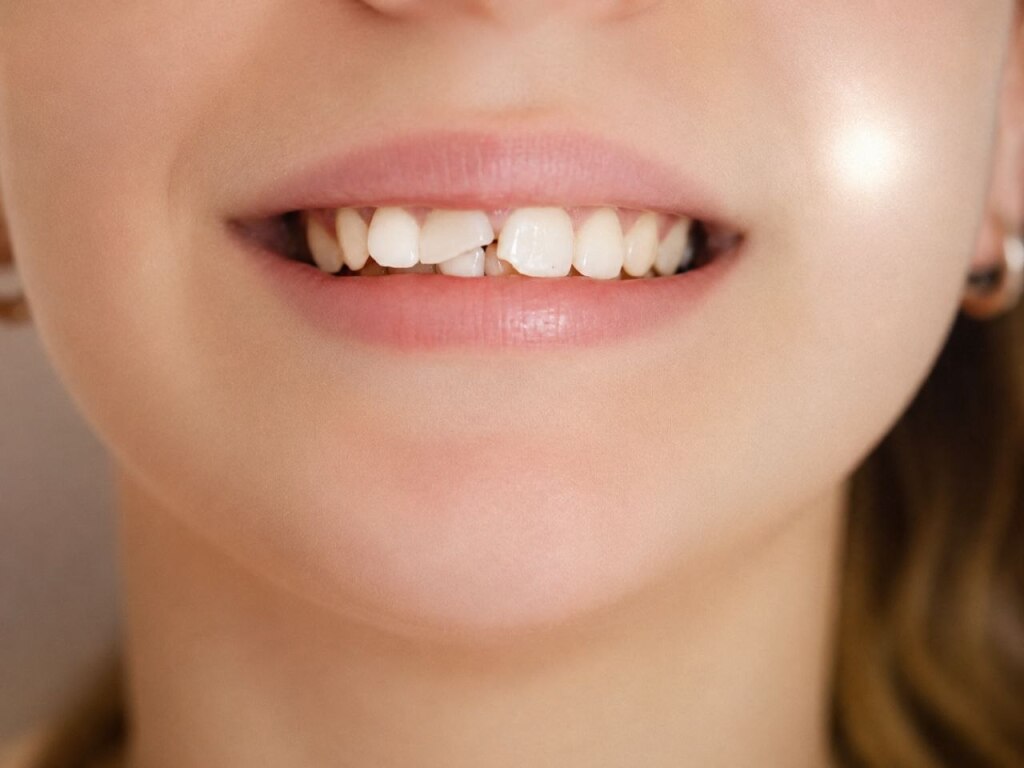
Broken Tooth: Symptoms, Causes, and What to Do Next
A broken tooth is one of the most common dental emergencies and can range from a small chip in the enamel to a severe fracture that exposes the inner layers of the tooth.
It can happen suddenly due to trauma or gradually due to weakened enamel, decay, or grinding.
Even when it does not hurt, a broken tooth should never be ignored, because damage can worsen over time.
This article explains what a broken tooth is, why it happens, how it is treated, and what you should do immediately.
What Is a Broken Tooth?
A broken tooth refers to any structural damage to a tooth, including:
- Small chips in enamel
- Cracks extending into deeper layers
- Fractures exposing dentin or pulp
- Severely split or broken teeth
The severity determines whether the tooth can be repaired or requires more advanced treatment.
Teeth are strong, but they are not indestructible. Once enamel is compromised, the inner structure becomes vulnerable.
Symptoms of a Broken Tooth
Symptoms vary depending on the extent of the damage.
Common signs include:
- Visible chip or crack
- Sharp edges inside the mouth
- Pain when chewing
- Sensitivity to hot, cold, or sweet foods
- Intermittent or constant tooth pain
- Swelling in the surrounding gums
- Bleeding (in more severe cases)
Some small fractures may not cause immediate pain, but they can still progress.
What Causes a Broken Tooth?
A tooth can break for many reasons, often involving a combination of enamel weakness and external forces.
🔸 Trauma or injury: Falls, sports injuries, or accidents are common causes.
🔸 Biting hard foods: Ice, hard candy, nuts, or bones can cause sudden fractures.
🔸 Tooth decay: Cavities weaken the internal structure of the tooth.
🔸 Teeth grinding (bruxism): Chronic clenching or teeth grinding places repeated stress on teeth.
🔸 Large fillings: Teeth with large restorations may become structurally weaker over time.
🔸 Age-related wear: Enamel naturally wears down, increasing fracture risk.
Types of Tooth Fractures
Understanding the type of fracture helps determine treatment.
🔸 Minor chip: Only enamel is affected. It is usually a cosmetic issue.
🔸 Cracked tooth: A fracture line extends into the tooth but may not separate it.
🔸 Split tooth: The tooth is divided into distinct segments.
🔸 Vertical root fracture: Starts in the root and may be difficult to detect early.
What Should You Do Immediately After Breaking a Tooth?
Quick action can help prevent further damage.
- Rinse your mouth with warm water
- Save any broken tooth fragments if possible
- Apply a cold compress if there is swelling
- Avoid chewing on the affected side
- Use dental wax or sugar-free gum if sharp edges irritate your mouth
- Take over-the-counter pain relief if needed
Most importantly, see a dentist as soon as possible. ⏱️
How Is a Broken Tooth Treated?
Treatment depends on the severity and location of the fracture.
🔹 Dental bonding: For small chips, tooth-colored resin is applied to restore shape.
🔹 Dental filling: Used when minor decay or damage is involved.
🔹 Dental crown: A crown is often needed when a large portion of the tooth is damaged.
🔹 Root canal treatment: Required if the pulp (nerve) is exposed or infected.
🔹 Extraction: In severe cases where the tooth cannot be saved.
Modern dentistry often allows broken teeth to be preserved if treated early.
Can a Broken Tooth Heal on Its Own?
No. A broken tooth does not regenerate or repair itself.
Enamel has no living cells, so any structural damage requires dental treatment.
Ignoring it can lead to:
- Infection
- Increased fracture
- Tooth loss
- Severe pain
Is a Broken Tooth an Emergency?
It depends on severity.
You should seek urgent care if:
- There is severe pain
- The nerve is exposed
- There is significant bleeding
- The tooth is loose or split
- Swelling is present
Even painless fractures should be checked promptly.
Broken Tooth vs Cracked Tooth: What’s the Difference?
- Broken tooth: visible loss or missing part of the tooth
- Cracked tooth: internal fracture without obvious loss of structure
Both require evaluation because cracks can progress into full breaks.
How to Prevent Broken Teeth
Prevention focuses on reducing mechanical stress and protecting enamel.
- Avoid chewing ice or very hard foods
- Wear a mouthguard during sports
- Treat teeth grinding (night guards)
- Maintain good oral hygiene
- Treat cavities early
- Avoid using teeth as tools
Small habits make a big difference over time.
When Should You See a Dentist?
You should see a dentist if:
- You notice any chip or fracture
- You feel pain when biting
- Sensitivity increases suddenly
- The tooth looks uneven or sharp
- You suspect hidden damage
Early treatment is simpler, cheaper, and more predictable.
Conclusion
A broken tooth is a common dental problem that can range from minor chips to serious fractures.
While some cases are purely cosmetic, others can affect the nerve and lead to complications if not treated.
Prompt dental care is the best way to preserve the tooth, prevent progression into severe oral diseases, and restore function.
If you notice any damage to a tooth, early evaluation significantly improves outcomes.
FAQ About Broken Teeth
Can a small chipped tooth be fixed easily?
Yes. Small chips are often repaired quickly with bonding or polishing.
What happens if I ignore a broken tooth?
It can worsen over time, leading to pain, infection, or tooth loss.
Can a broken tooth cause infection?
Yes. If the inner layers are exposed, bacteria can enter and cause infection.
Is it safe to leave a broken tooth untreated temporarily?
Only for a very short time. Dental evaluation should still happen quickly.
Can a broken tooth always be saved?
Not always, but many broken teeth can be restored if treated early.
References
Garispe A, Sorensen C, Sorensen JR. Dental Emergencies. [Updated 2022 Dec 7]. In: StatPearls [Internet]. Treasure Island (FL): StatPearls Publishing; 2026 Jan-. Available from: https://www.ncbi.nlm.nih.gov/books/NBK589664/
Andreasen, J. O., Andreasen, F. M., & Andersson, L. (2018). Textbook and color atlas of traumatic injuries to the teeth (5th ed.). Wiley-Blackwell.