
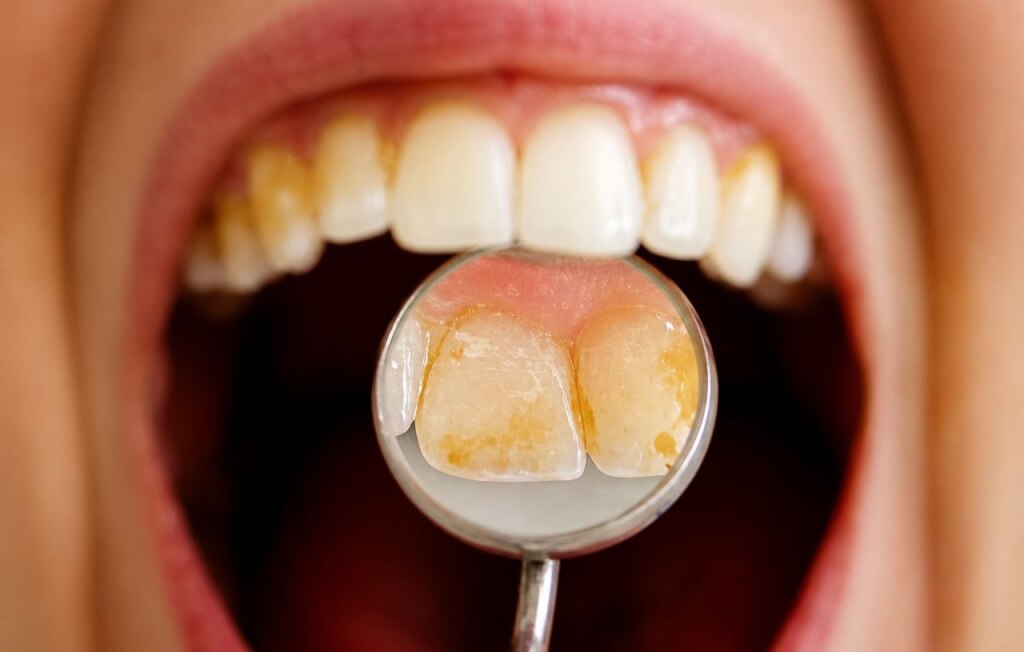
Dental Fluorosis: Causes, Symptoms, Prevention & Treatment
Dental fluorosis is a condition that affects the appearance of tooth enamel due to excessive fluoride intake during tooth development.
It does not occur in fully formed teeth. Instead, it develops while teeth are still forming under the gums, typically during early childhood.
Although often considered a cosmetic issue, dental fluorosis reflects an alteration in enamel mineralization, which can range from barely noticeable changes to more significant discoloration and surface irregularities.
What Is Dental Fluorosis?
Dental fluorosis is a developmental condition caused by overexposure to fluoride during enamel formation.
Fluoride plays a protective role in preventing tooth decay, but like many biological factors, its effects depend on dosage.
At optimal levels, it strengthens enamel. At excessive levels during development, it disrupts the normal process of enamel mineralization.
This leads to structural changes in the enamel that become visible once the teeth erupt.
When Does Dental Fluorosis Occur?
The condition develops only during the years when teeth are forming, generally from birth to around 8 years of age.
After this period, fluoride exposure does not cause fluorosis because enamel formation is already complete.
👉 This is why fluorosis is considered a developmental condition, not an acquired one.
What Causes Dental Fluorosis?
The primary cause is excessive fluoride intake during childhood. This can come from multiple sources rather than a single exposure:
- Drinking water with high fluoride levels is one of the most common contributors.
- Swallowing toothpaste, especially in young children who have not yet learned to spit, can also increase fluoride intake.
- Other sources include fluoride supplements or certain foods and beverages prepared with fluoridated water.
👉 The risk increases when multiple sources of fluoride are combined.
How Dental Fluorosis Affects Enamel
To understand fluorosis, it’s important to look at how enamel forms.
During tooth development, specialized cells called ameloblasts regulate the deposition of minerals that create strong enamel.
Excess fluoride interferes with this process, leading to incomplete or irregular mineralization.
As a result, the enamel becomes more porous beneath the surface, even if it appears intact externally.
Signs and Symptoms
The appearance of dental fluorosis varies depending on severity.
In mild cases, it presents as faint white lines or spots on the teeth that may only be visible under certain lighting conditions.
Moderate cases show more noticeable white patches or cloudy areas across the enamel surface.
In severe cases, the enamel may develop brown stains, rough texture, or small pits.
👉 Despite these visual changes, the teeth are often still functional and resistant to decay.
Is Dental Fluorosis Harmful?
In most cases, dental fluorosis is not a health threat.
It primarily affects the appearance of teeth rather than their function.
However, severe fluorosis can lead to structural weakness in enamel, increasing susceptibility to wear or surface damage over time.
The psychological impact should not be underestimated either, as visible discoloration can affect self-confidence.
Dental Fluorosis vs Tooth Decay
Dental fluorosis and tooth decay are often confused because both can affect enamel appearance.
However, they are fundamentally different conditions.
Fluorosis results from developmental changes and typically presents as symmetrical patterns across multiple teeth.
Tooth decay, on the other hand, is caused by bacterial activity and usually appears as localized damage that progresses over time.
How Dental Fluorosis Is Diagnosed
Diagnosis is primarily based on clinical examination.
Dentists evaluate the pattern, distribution, and appearance of enamel changes to distinguish fluorosis from other conditions.
Patient history, especially fluoride exposure during childhood, also plays a key role in confirming the diagnosis.
Treatment Options
Treatment depends on the severity of the condition and the patient’s aesthetic concerns.
🔹 Mild Cases: In mild fluorosis, treatment may not be necessary. Professional cleaning or polishing can sometimes improve the appearance by reducing surface stains.
🔹 Moderate Cases: For more noticeable discoloration, techniques such as enamel microabrasion or teeth whitening can help improve uniformity and brightness.
🔹 Severe Cases: In severe fluorosis, restorative treatments may be required. Options such as composite bonding, veneers, or crowns can significantly improve aesthetics by covering affected enamel.
Prevention
Preventing dental fluorosis requires careful management of fluoride exposure during childhood.
Young children should use only a small amount of toothpaste and be supervised to avoid swallowing it.
Fluoride supplements should only be used when recommended by a dental professional.
Monitoring fluoride levels in drinking water is also important, especially in areas with naturally high concentrations.
👉 The goal is balance instead of the elimination of fluoride.
The Role of Fluoride in Oral Health
Despite its association with fluorosis, fluoride remains one of the most effective tools for preventing tooth decay.
The key is controlled exposure.
At appropriate levels, fluoride strengthens enamel and reduces the risk of cavities.
Excess exposure during development, however, disrupts this balance and leads to fluorosis.
Clinical Insight
Dental fluorosis highlights a fundamental principle in biology: Dose determines effect.
The same substance that protects enamel can alter its development when exposure exceeds optimal levels.
When to See a Dentist
You should seek professional evaluation if:
- White or brown spots appear on multiple teeth
- Enamel looks uneven or discolored
- There is uncertainty about the cause of enamel changes
Early assessment helps determine whether treatment is necessary and prevents misdiagnosis.
Conclusion
Dental fluorosis is a developmental oral condition caused by excessive fluoride intake during enamel formation.
While often mild and primarily cosmetic, it reflects changes in enamel structure that can vary in severity.
The key points are clear:
- It occurs during childhood, not adulthood
- It results from excess fluoride exposure
- It can range from subtle white spots to significant discoloration
👉 Managing fluoride intake early in life is the most effective way to prevent it.
Frequently Asked Questions
Can dental fluorosis go away?
No, it does not disappear on its own, but treatments can improve its appearance.
Is dental fluorosis permanent?
Yes, because it affects enamel during development.
Does fluorosis weaken teeth?
Mild cases usually do not, but severe cases may affect enamel strength.
How much fluoride is too much?
Excess intake during childhood, especially from multiple sources, increases the risk.
Should I stop using fluoride toothpaste?
No. Fluoride is beneficial when used in appropriate amounts.
References (APA Style)
DenBesten, P., & Li, W. (2011). Chronic fluoride toxicity: Dental fluorosis. Monographs in Oral Science, 22, 81–96.
Centers for Disease Control and Prevention. (2020). Community water fluoridation.